The Embedded Age
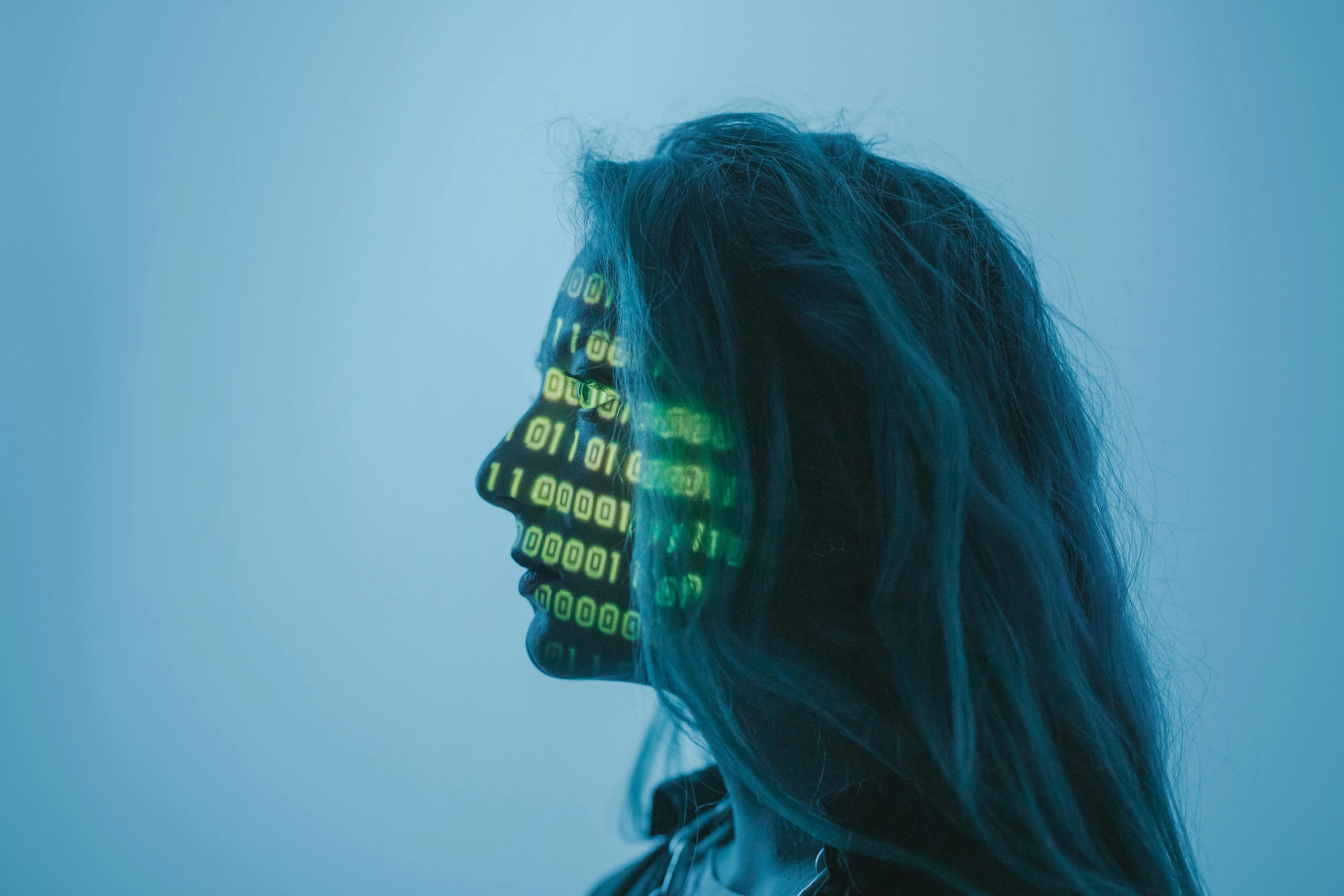
Technology is disappearing into the background of daily life, which is a very different thing from technology becoming less consequential. The defining property of this force is invisibility — digital layers that go unnoticed right up until the moment they become impossible to do without.
Synthesis tracks this force at high momentum and low volatility, the most confident directional signal across the forces in this set. Where the vibecession offers variance without direction, this one offers the opposite: a clear trajectory with unusually little disagreement about where it points. It also generates the largest volume of signal, at 163 documents in the last three months.
Seamless tech integration
Smart homes, wearables and AI agents blend into daily life until the digital layer stops being visible at all.
The design language is already shifting to match. Sam Altman has described his forthcoming AI device as something that should feel like a cabin by a lake rather than an iPhone — a deliberate rejection of the screen as the organising metaphor. Quartz’s reporting from CES 2026 notes AI dominating the show, though not always favourably, which suggests the ambition is running ahead of the execution.
Commerce is where embedding is furthest along. Walmart has partnered with OpenAI to enable purchases directly inside ChatGPT and is rolling AI tools into the physical store experience. McKinsey frames agentic commerce as a genuinely new era, with agents rather than people navigating the purchase. In India, quick commerce is rewriting the FMCG playbook entirely — daily orders surged to 9.5 million in August, Zepto has raised its free delivery minimum to ₹199, and the open question is whether existing retail stores can compete with dark stores at all.
Behind the consumer surface sits an infrastructure build-out that dominates the signal feed. Mitsubishi Electric and Sony are jointly developing AI vision sensors. Renesas has completed its acquisition of Irida Labs to expand vision AI capabilities. Vaidio is bringing visual reasoning to the edge on NVIDIA Cosmos and Jetson Thor. MarketsandMarkets projects the edge computing market reaching $317.39 billion by 2031. Industrial applications are arriving in parallel — Tetra Pak’s Factory OS for AI-ready operations, AI-powered PPE monitoring in steel packaging, whole-farm digital twins simulating herd decisions, and Bel Group running virtual twins of cheese.
Inescapable digital risks
Digital systems become impossible to opt out of, and exposure to threats and disruption becomes a standing cost of connectivity.
The clearest illustration is small and domestic. BMW owners found Spider-Man advertisements appearing on their dashboard screens, prompting calls for an adblocker for cars. A vehicle is not a browser, and the absence of any opt-out is the entire point — embedded systems arrive with embedded terms.
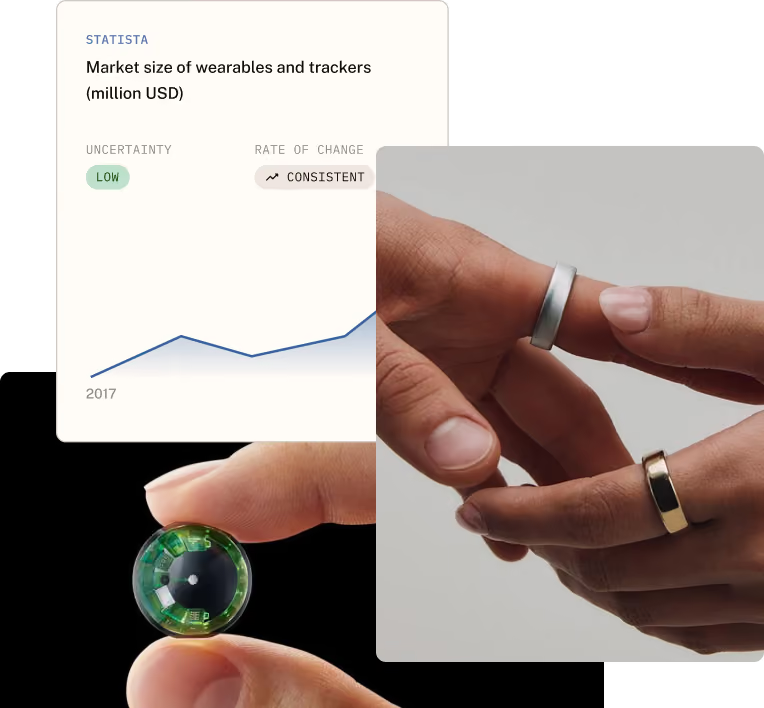
Data Security and Privacy is a tracked driver here, though currently without an indexed figure. The measurable proxy Synthesis uses for platform power is commercial rather than technical: Statista’s market size for social media advertising revenue, rated low uncertainty with a rapid rate of change across 2017 to 2025. That choice is revealing. It measures the value extracted from attention rather than the mechanics of extraction.
A stranger risk is appearing at the content layer. Boing Boing reports AI companies buying up old books specifically to escape their own AI slop — model output contaminating the corpus that trains the next model, and pre-digital text becoming a scarce input as a result.
Extended selves
Neurotechnology and agentic AI extend human capability while influence systems steer choices, raising questions of autonomy that do not resolve cleanly.
The hardware is arriving from several directions at once. Precision Neuro continues to break new ground in brain–computer interfaces. Soft robotics is moving fast: exogloves for dexterous mobility aimed at personalised rehabilitation, thermally-adaptive robotic clothing from PolyU that took a Gold Prize at the 2026 Edison Awards, and a soft robotic sensor from NUS that responds to touch without electronics at all. Researchers have found an unusual property in rice and turned it into a smart material. Robotis has released full humanoid software to widen its robot ecosystem, while ETH Zurich’s Elisa Donati addresses the more sober question of when AI robots actually become part of everyday life.
Sensing is moving onto and into the body. A wearable sensor now monitors cortisol and melatonin through sweat analysis — continuous hormonal measurement without a blood draw. Even the bathroom is instrumented, with a $46 million smart toilet startup betting the category can reach a billion.
Artificial Intelligence is the headline driver at +21.8% since 2020, with Impact of Dominant Digital Platforms at +23.4% since 2017. The differing baselines matter: these two figures are not directly comparable to each other, nor to drivers elsewhere measured from 2016.
Three shifts to expect
Platforms stop hosting interactions and start shaping how the world operates. Dominant platforms are evolving from intermediaries into infrastructure. As their influence deepens across commerce, communication and services, they set the rules of participation — quietly determining visibility, access and economic opportunity.
Reality becomes something people can layer, edit, and choose between. AR, VR and Mixed Reality sits behind this as a tracked driver, and the implication is plural realities rather than an augmented single one.
The human body becomes a continuously monitored and optimised system. This shift is shared with the Wellness Balancing Act force, approached from the technology side rather than the health side — worth reading the two together.
What to watch
Edge AI is the infrastructure story sitting underneath everything else here, and it is where the largest share of the signal feed currently clusters. Aetina is showcasing physical, vision and agentic AI at COMPUTEX 2026; MiTAC is powering embedded systems for edge and physical AI. The pattern is intelligence moving off centralised servers and into the objects themselves, which is precisely what makes the technology disappear.
Neurotechnology Integration, Wearables and Smart Environment and Everyday Objects are all tracked qualitatively for now. Given the pace of the hardware signals above, they are the drivers most likely to acquire indexed figures next.
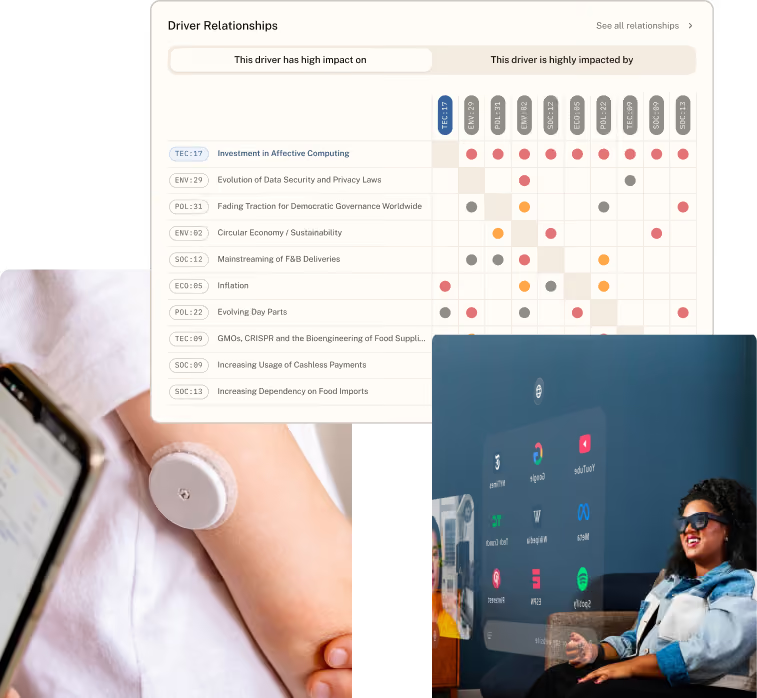
Seven drivers sit behind this force. Two carry movement figures; data security and privacy, neurotechnology integration, wearables, AR/VR and mixed reality, and smart environments are tracked qualitatively.