Mosaic Populations
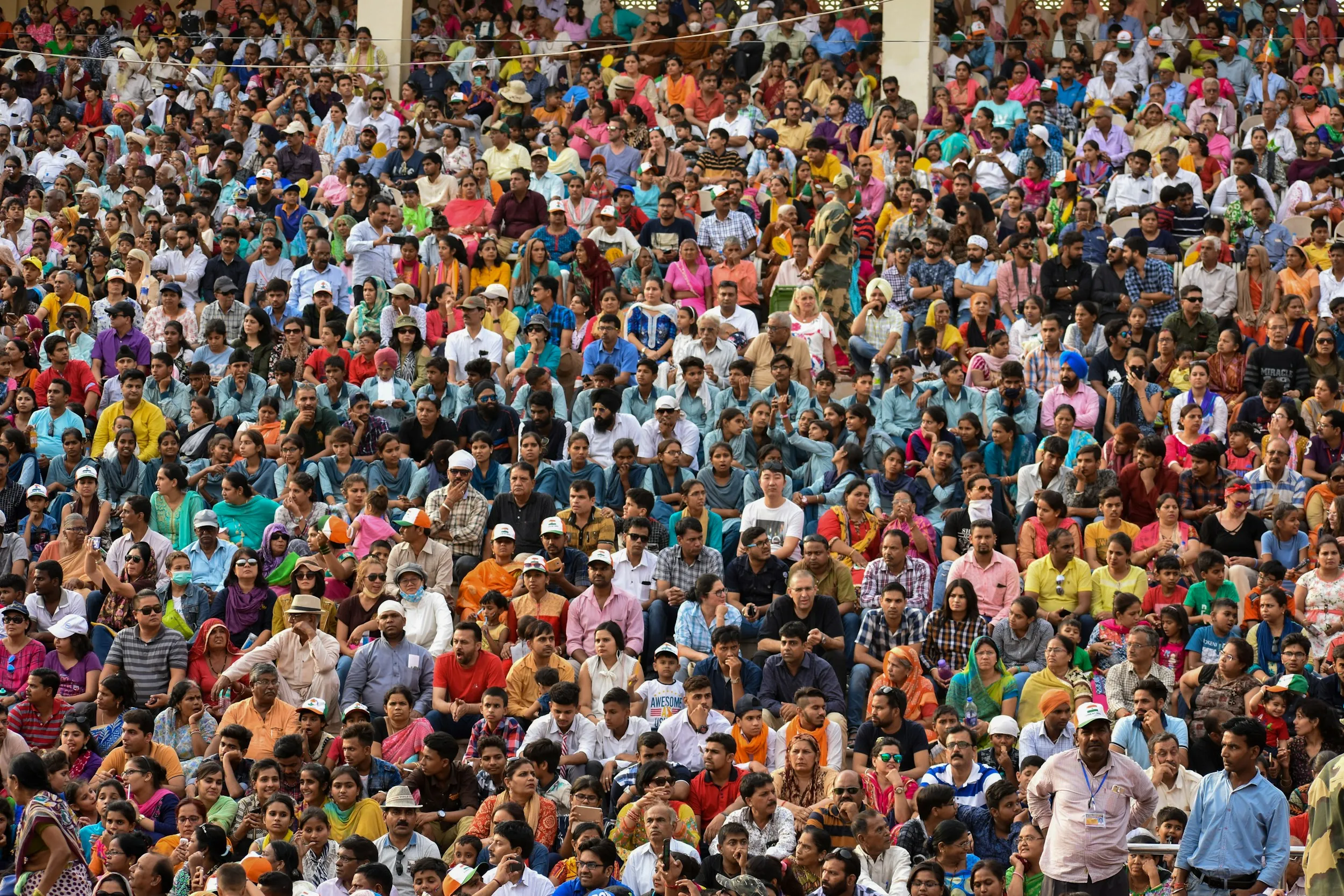
By 2050, for the first time in human history, there will be more people over 65 than under 15. That single crossover is the hinge this force turns on — but it is not the whole story. Populations are not simply ageing. They are moving, recombining, and quietly abandoning the life stages that institutions were built to serve.
Synthesis tracks this force at medium momentum and low volatility. Demographic change is the most predictable input in any foresight exercise. The uncertainty is not in the numbers; it is in how societies choose to respond to them.
Ageing populations
The World Bank measure of the population aged 65 and above has risen consistently between 2015 and 2025. Synthesis rates the uncertainty as low and the rate of change as consistent — a rising share indicating higher healthcare and pension costs, shifting consumption, and pressure on working-age productivity.
The World Health Organization has set out the economic impact of an older population directly. But the operational reality lands on households before it lands on treasuries. Care.com’s 2026 sandwich generation report documents the mental load of caring for children and ageing parents at once. Barcelona Health Hub argues the future of caregiving has already arrived. Startups are moving into the gap: Hello Ello has launched an AI care camera aimed explicitly at a regional caregiving crisis, and Joyvié Health raised €897k — founded after a personal loss — to rethink continence underwear, a category long left to indignity.
Ageing also intersects with the climate force. Japan Today reports research finding elderly populations far more at risk from rising heat than previously understood, which turns two slow-moving trends into one compounding exposure.
The birth side is less settled than the narrative suggests. South Korea has recorded its largest increase in births in eighteen years. In China, the South China Morning Post describes the household arithmetic of parenting costs giving consumers pause. The direction is not uniform.
Shifting populations
Talent shortages pull while climate change and political tension push, producing more ethnically diverse populations in more places.
Two tracked drivers carry the weight here. Climate Displacement is up 13.4% since 2016 and Migration 6.6% over the same period — displacement moving at roughly twice the rate of migration generally. Push is outpacing pull.
The pull is real nonetheless. The BBC reports New Zealand easing visa rules for digital nomads to support tourism, one of a growing set of countries competing for mobile workers rather than restricting them. Against that, The Guardian’s reporting on US strikes on an oil tanker in the Strait of Hormuz and on Tehran is a reminder of how quickly the push side can reassert itself.
The centre of gravity is moving too. BRICS expansion signals growing interest from the Global South, and BRICS agriculture ministers have adopted a joint declaration rejecting unilateral trade barriers. Speaking at the World Peace Forum, Mushahid Hussain argued the Global South should lead the emerging world order. WACC’s work on digital colonialism supplies the counterweight — the argument that AI infrastructure risks reproducing older extractive patterns rather than dissolving them.
Untethered populations
Society is rejecting traditional life stages and lifestyles at speed, carving out new niches and new normals.
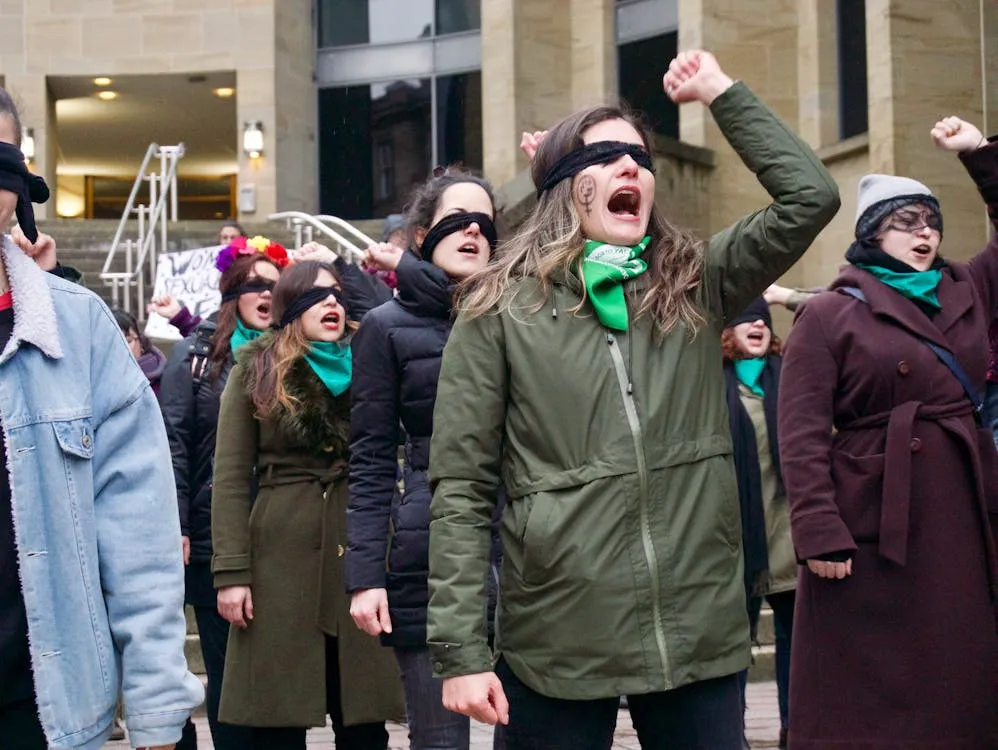
Gen Z’s Influence is the fastest-moving driver in this force at +30.5% since 2016, the largest single movement across any force Synthesis tracks. Household Structures, Intentional Communities and the LGBTQIA+ Movement sit alongside it as qualitative drivers, and the household evidence is arriving fast. Both Newsweek and Business Insider report multigenerational living on the rise, driven substantially by cost of living — a return to an older household form for entirely contemporary reasons.
Community is being rebuilt deliberately. Forbes describes a third space boom through 2026, framing community itself as the new currency. The Sustainable Stock Exchanges initiative’s Ring the Bell for LGBTIQ+ Equality 2026 shows the institutional layer aligning across global markets.
One number cuts against the grain. Loneliness and Social Isolation is down 3.3% since 2016 — the only negative driver movement in this force, and worth holding lightly. Whether that reflects genuine improvement, changed measurement, or the third-space rebuilding above is not something the indicator alone can settle.
The relationship with self-measurement is also turning. Dazed documents the rise of the unquantified self — people actively choosing to trust their bodies over their devices, which runs directly counter to the tracking boom in the wellness force.
Three shifts to expect
Longer lives unfold across multiple stages, not a single extended timeline. Longevity is stretching life into distinct phases rather than simply extending old age. People cycle through learning, working and reinvention, which challenges how societies structure careers and contribution.
Identity becomes something people actively navigate rather than inherit. The untethering above is not a youth phenomenon that resolves with age; it is a change in how identity is assembled.
Cities evolve into intelligent systems rather than just places people live. Urbanisation remains a tracked driver, and the infrastructure conversation is shifting from capacity to responsiveness.
What to watch
The Asian Development Bank’s April 2026 outlook and the NIH’s projections of nutritional deficiency in China through 2030 are both worth following, since demographic pressure and nutritional adequacy compound in ageing societies. The Financial Times’ reporting on China’s “Are You Dead?” app — a service checking in on a growing cohort of people living alone — is the kind of specific, uncomfortable detail that tends to precede a category.
For vocabulary, Singapore’s Centre for Strategic Futures has published a glossary for other worlds, which is a useful corrective for anyone finding existing demographic language inadequate to what is actually happening.
Ten drivers sit behind this force. Four carry movement figures; household structures, urbanisation, aging population, intentional communities, globalisation and the LGBTQIA+ movement are tracked qualitatively.