Soccer In Frame
After World Cup 2026. The brand playbook for soccer’s growth era in America.
Synthesis mapped the behaviours of millions of fans online, across 10 sports to understand how fan communities form, grow, and interact, and what brands need to do to keep up.


After World Cup 2026. The brand playbook for soccer’s growth era in America.
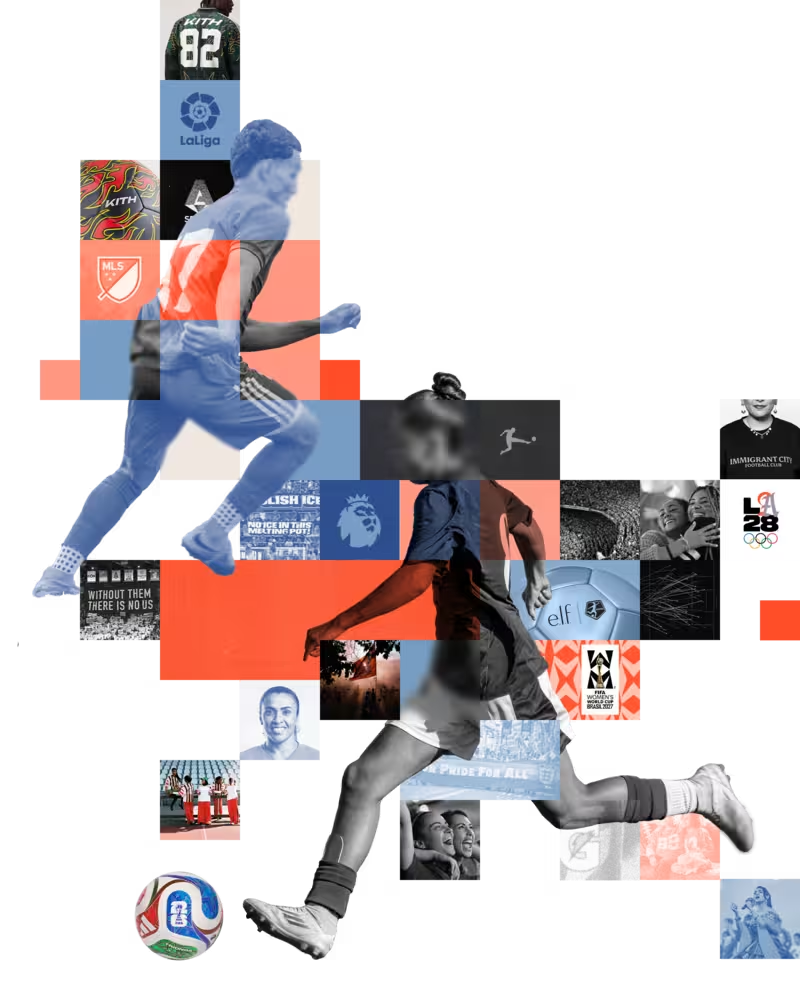

Inside the fandom transforming women’s sport into a masterclass in engineering energy.
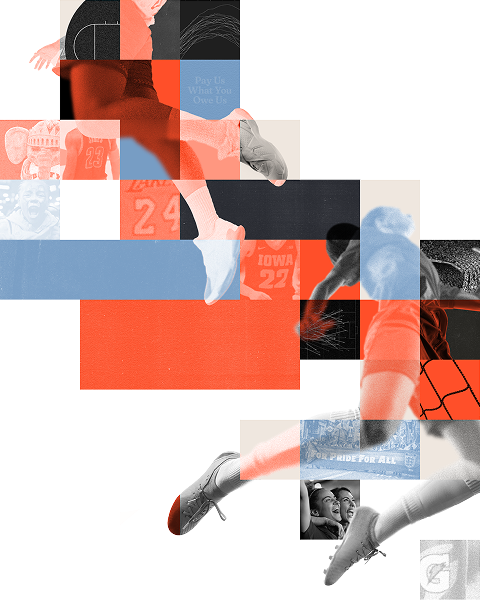

In an America marked by division and uncertainty, people are seeking spaces of connection and relief.
Sport has become an anchor. In the roar of packed stadiums and the pulse of online communities.
It offers the comfort of tradition in an age of dislocation, the rush of shared celebration when much else feels isolating, and a stage for a new generation to shape culture in more inclusive ways.
Fandom today goes beyond watching games. It is about reclaiming connection, identity, and hope in a world starved of all three.





Fandom is evolving, fast. Brands that stake a place today will define, build and shape culture tomorrow.
Women’s basketball is a powerful example of fandom in transformation. The 2024 women’s NCAA championship drew a larger audience than the men’s title game, a historic first.
The WNBA was named the fastest-growing brand in the U.S. (Ben & Jerry’s came second). And this season, the league shattered a 23-year-old attendance record.
MLS viewership on YouTube has climbed consistently from 2020 to 2024. The NWSL saw sharp gains in 2024. Demand for the 2026 World Cup was unprecedented, with the ticket draw oversubscribed more than 30 times.
Soccer fandom in the U.S. is disproportionately digital-first. Younger audiences discover soccer through TikTok, YouTube, creators, gaming and streetwear culture before they ever watch a match.
The sport’s trajectory in the U.S. is still early, but its momentum rivals leagues that have dominated for decades.

The practice by which a brand associates itself with a sports team or fan culture—typically through heavy logo placement or surface-level sponsorship—without demonstrating a genuine understanding of, or earned connection to, the community or its values.
Supporters criticized the brand’s campaign as fan-washing—an opportunistic move that ignored the history and spirit of the club.

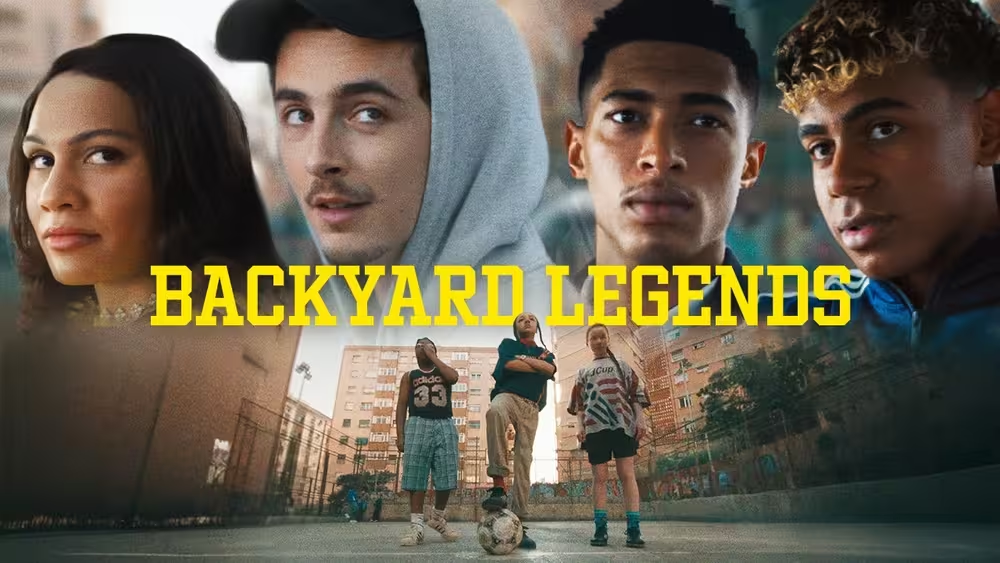
56M+ Instagram views in four days. The sharpest fit with the biggest upside audience in the US. Situating the World Cup in the backyard is the kind of neighborhood lore the Vanguard believe they’re building here. Bad Bunny carries Hispanic cultural gravity, Rodman puts the top-performing women’s star in a men’s-cycle tentpole, and the de-aged 90s icons reach cross-generational Crossover Fans.
While the tournament’s story has been about access: who can get tickets, who can get in, Backyard Legends bets on the opposite truth. Greatness starts grassroots.
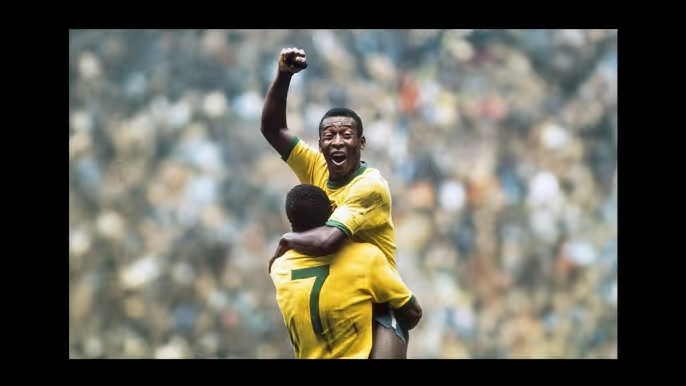
Good things happen when people meet. In Airbnb’s World Cup campaign, they choose to celebrate what’s born when a diaspora carries its culture across a border. Puerto Ricans taking Cuban rhythms to New York and making salsa. Japanese judo reborn as jiu-jitsu in Brazil. The churro, invented at the meeting point. The ad credits immigrants with inventing the things the world loves, then frames 48 nations arriving to play one game as the next iteration.
The story maps almost exactly onto the American Soccer Vanguard audience, whose identity is bilingual, diaspora-rooted, ‘built-here-belonging’. It’s their origin story told back to them. “The World Is Meant to Meet” closes the film and anchors the campaign in belonging and connection, core to Airbnb’s truth.
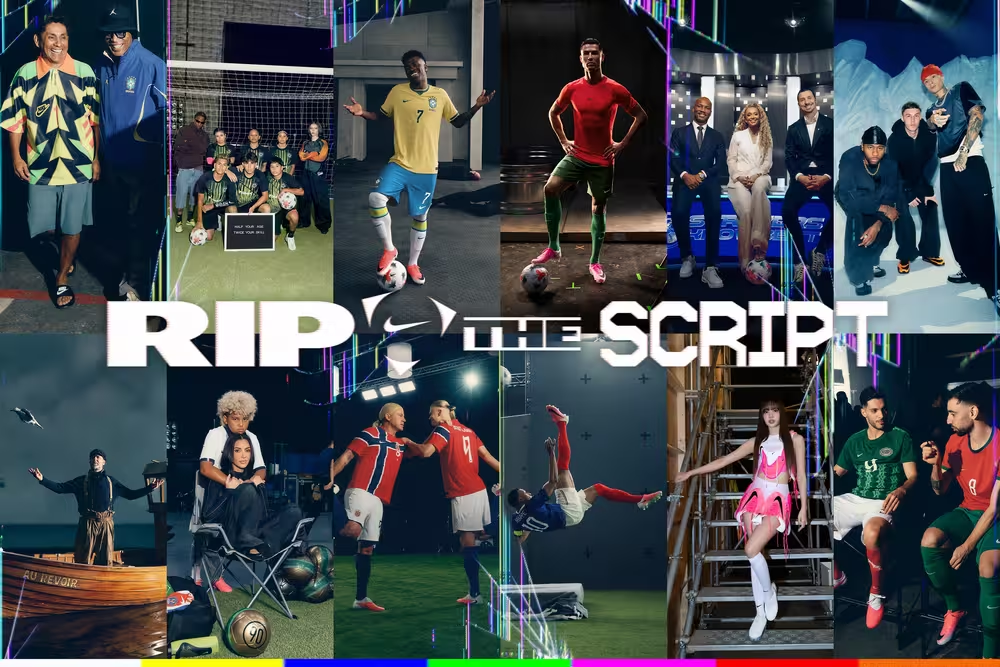
This is the only campaign that maps the full American audience landscape, with something for everyone. The cast is the strategy. Ronaldo handing the reigns to Mbappé for the purists, Putellas and Kerolin for the women’s game, LeBron for the primetime crossover, Travis Scott, LISA, Young Miko and Ted Lasso for the wider crossover fans, The American Soccer Vanguard, Crossover Fans, the Online XI and, to a lesser extent, Women’s Soccer Champions, addressed in one shot.
Rip the Script taps into the central tension of the In Frame report: soccer is a cultural spectacle.
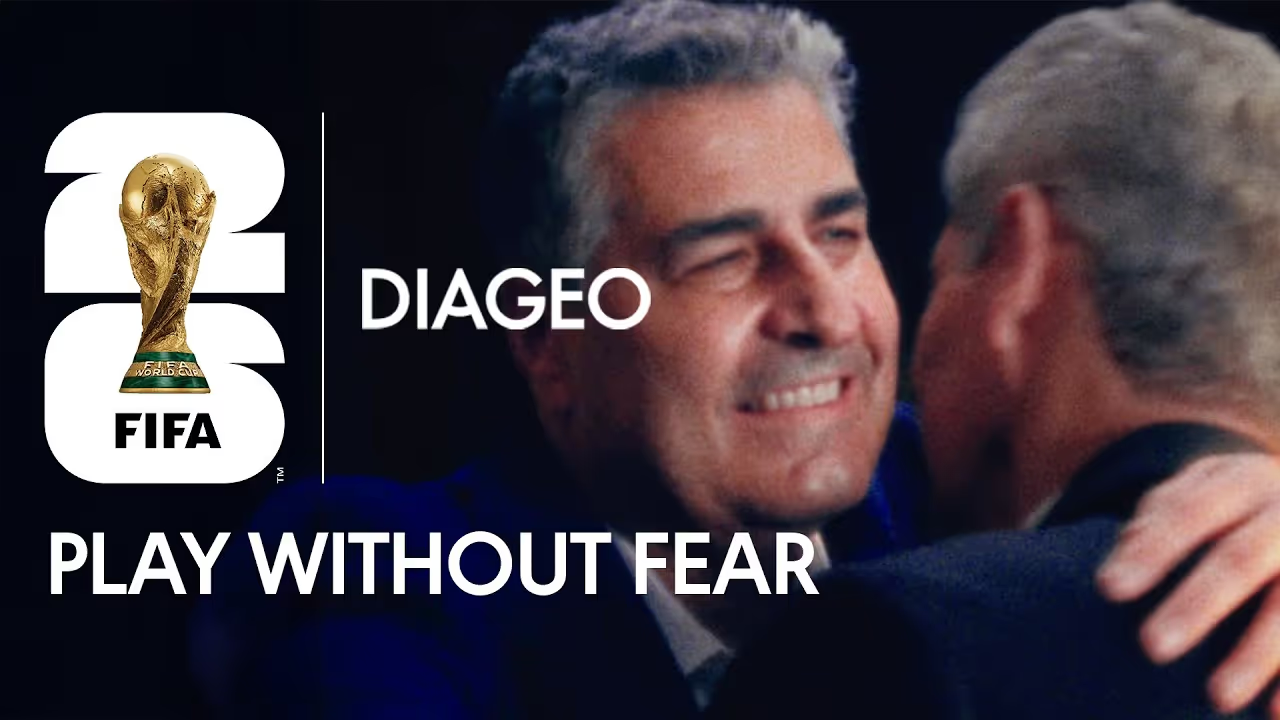
Standing tall in culture, Buchanan's offer the bravest point of view in a World Cup ad yet. The brand built a film around Andrés Escobar, the Colombian defender murdered in 1994 days after his own goal against the US, and turned that story into one of second chances, healing and reconciliation. Santiago, Andrés's brother, carries his #2 back to the same World Cup stage, turning private grief into a national act of repair. Buchanan's chooses to amplify a political and deeply emotional truth, anchored in family, the most Colombian value there is.
The depth is also a limit. Colombia-coded to its core, powerful at home, hard to travel beyond Latin America. But that's beside the point. This campaign took the hardest story and chose to tell it. That it exists at all is the achievement.
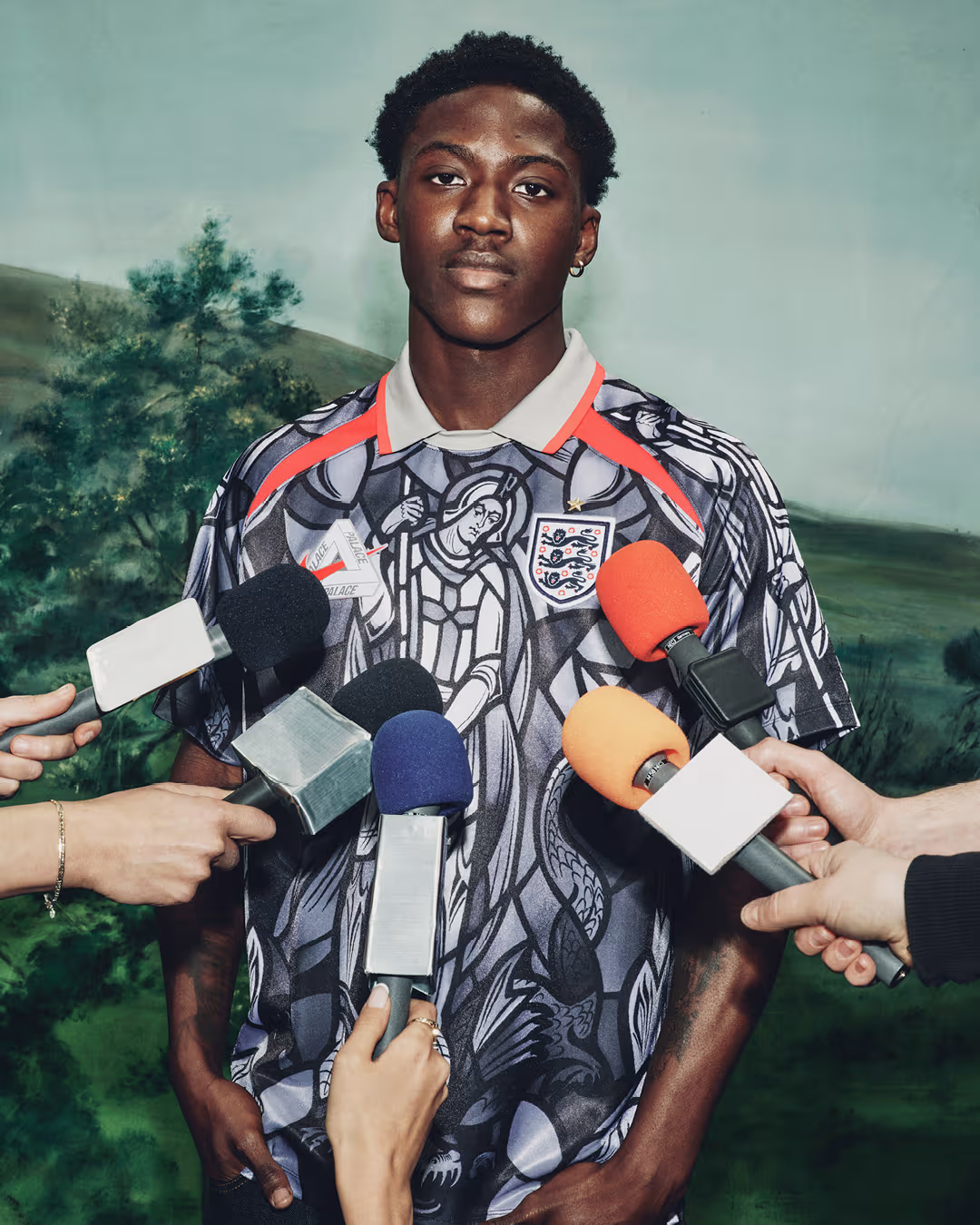
A skate brand on an England kit, dropping on SNKRS. IYKYK. Palace is cultural shorthand for modern British youth identity, fusing skate, football, music and street culture into a POV that’s uniquely London coded. Its design already runs on terrace aesthetics and local pride, so an England kit is football culture designing for itself. The Vanguard and the streetwear edge of the Online XI will know that. So do the EPL Pundits, the US fans fluent in English football’s codes.
A precise, credible, intentionally-not-for-everyone campaign.
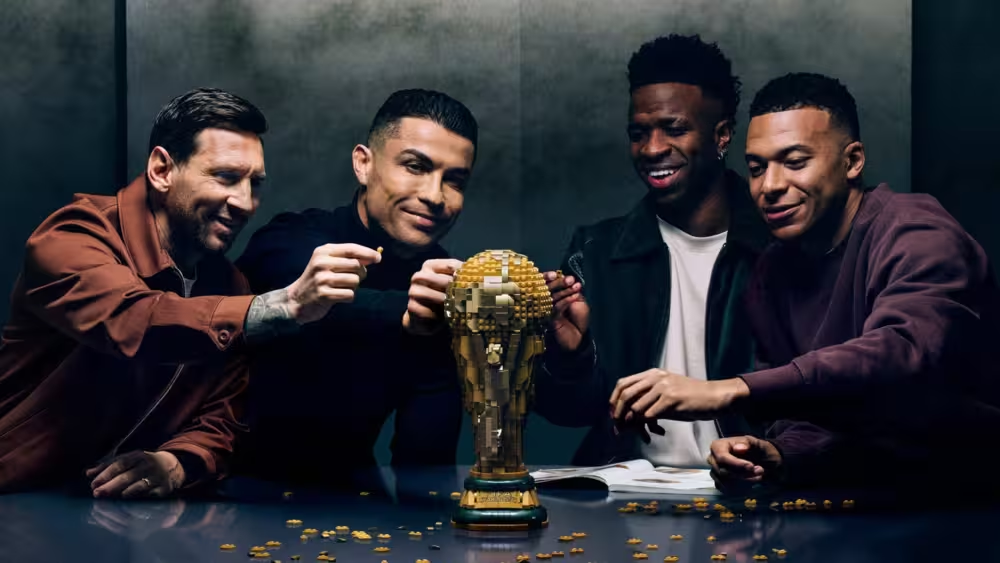
Ronaldo, Mbappé, Messi, Vini Jr. are the draw, family-and-fandom positioning, cross-generational by design. The “everyone wants a piece” line captures the universality of the World Cup moment. It’s warm and broad but is without a sharp culture tension or strong link to LEGO’s brand DNA.
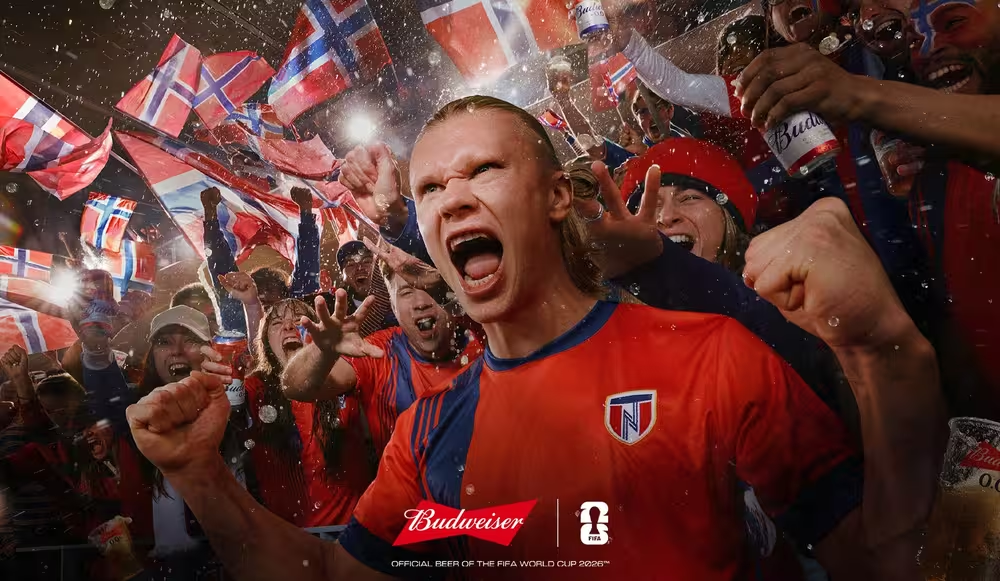
Klopp narrating, Haaland for goals, “strangers become teammates,” 39 days of global celebration. Competent global-sponsor beer campaign for a broad fan but no specific US growth audience. The campaign taps into celebration, beer, unity, enough to reach everyone, but with nothing only Budweiser could say. Pleasant and forgettable.
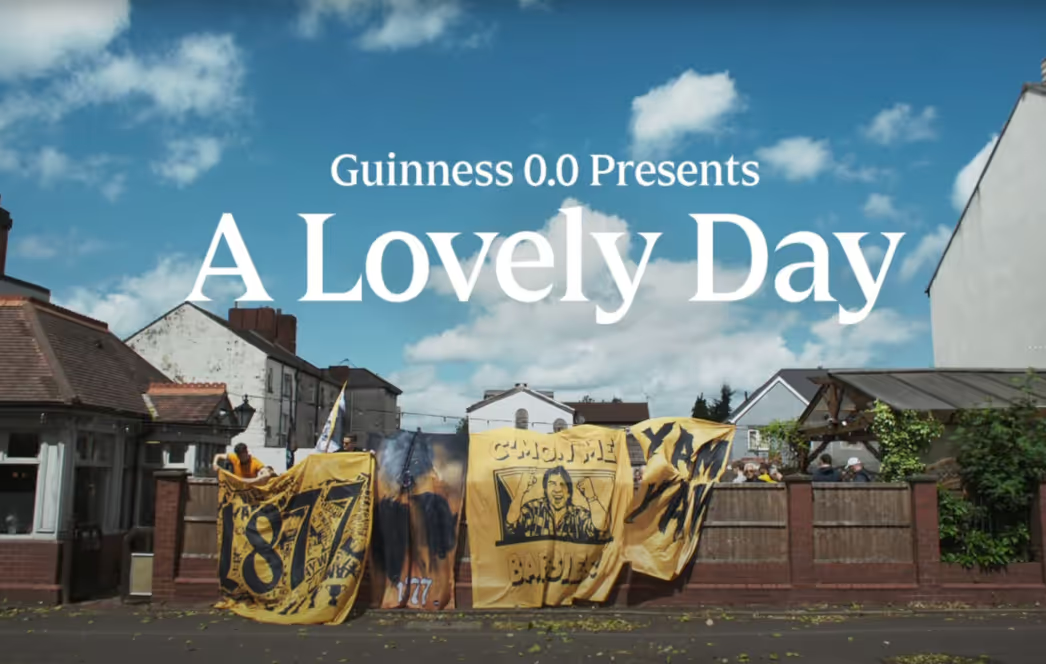
Guinness shows how vital fans are for sport, and how they can come together over a drink, even if they don’t drink alcohol.
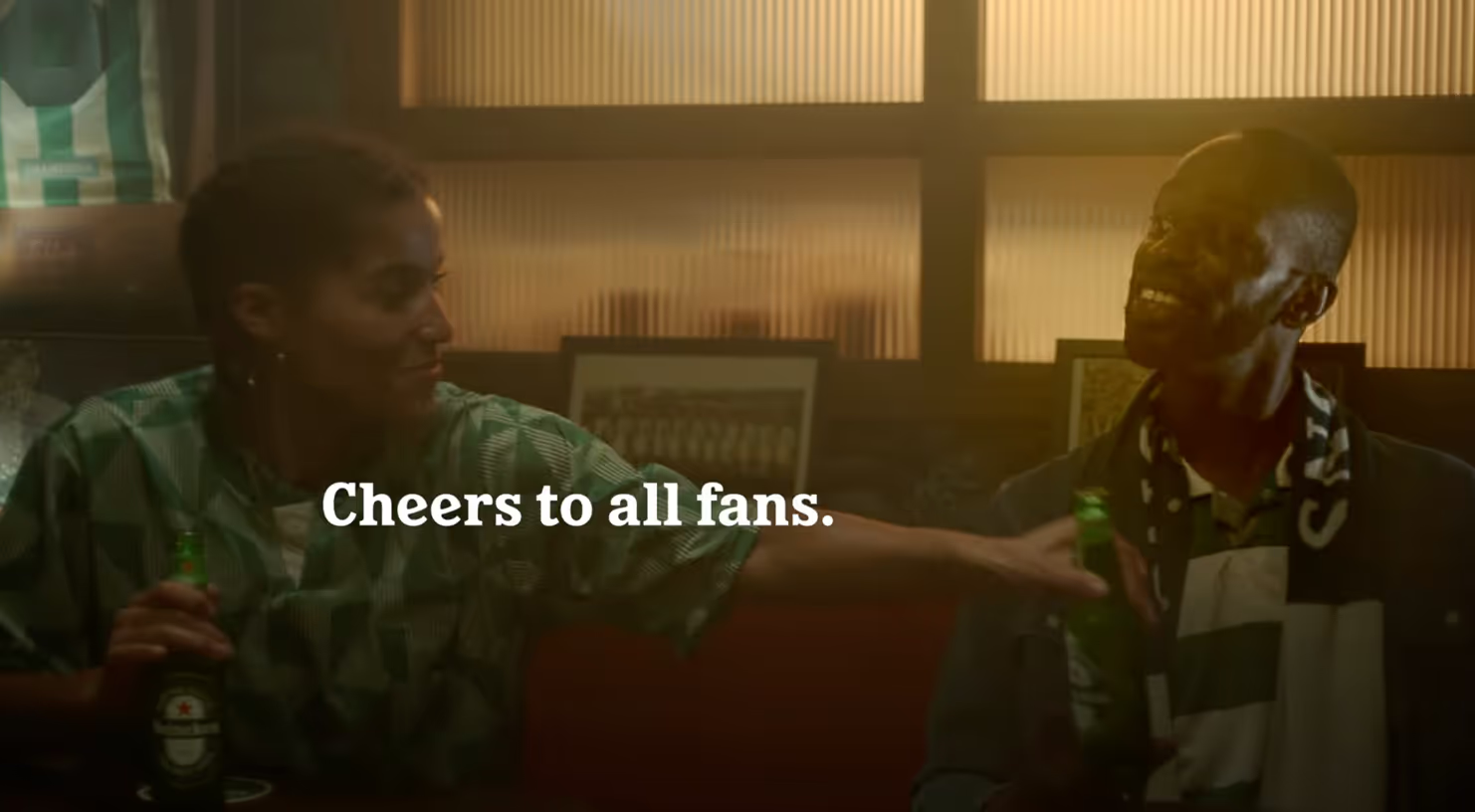
Heineken’s ‘Cheers To All Fans’ ad spoke directly to female fans who make up almost half the viewership of football fans worldwide.
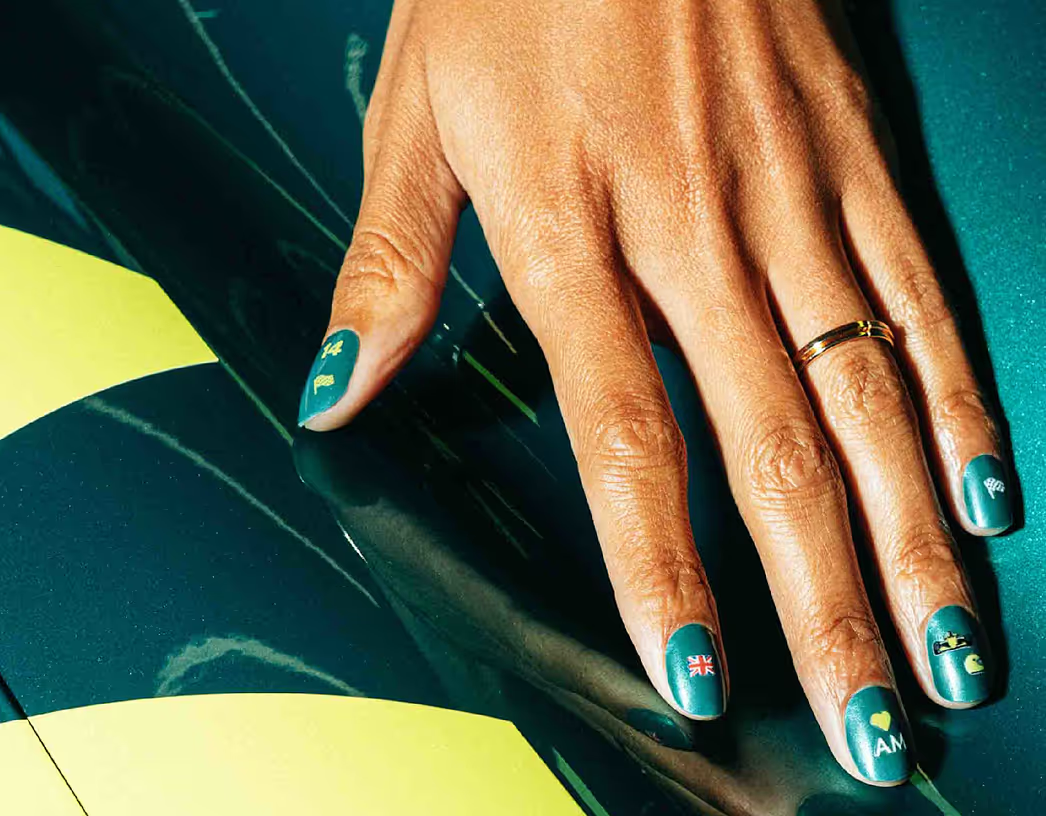
Aston Martin partnered with London-based nail brand Glaize to produce custom nail shades and stickers, recognising their changing fanbase, and offering fans new ways to show their support beyond typical sport merchandise.
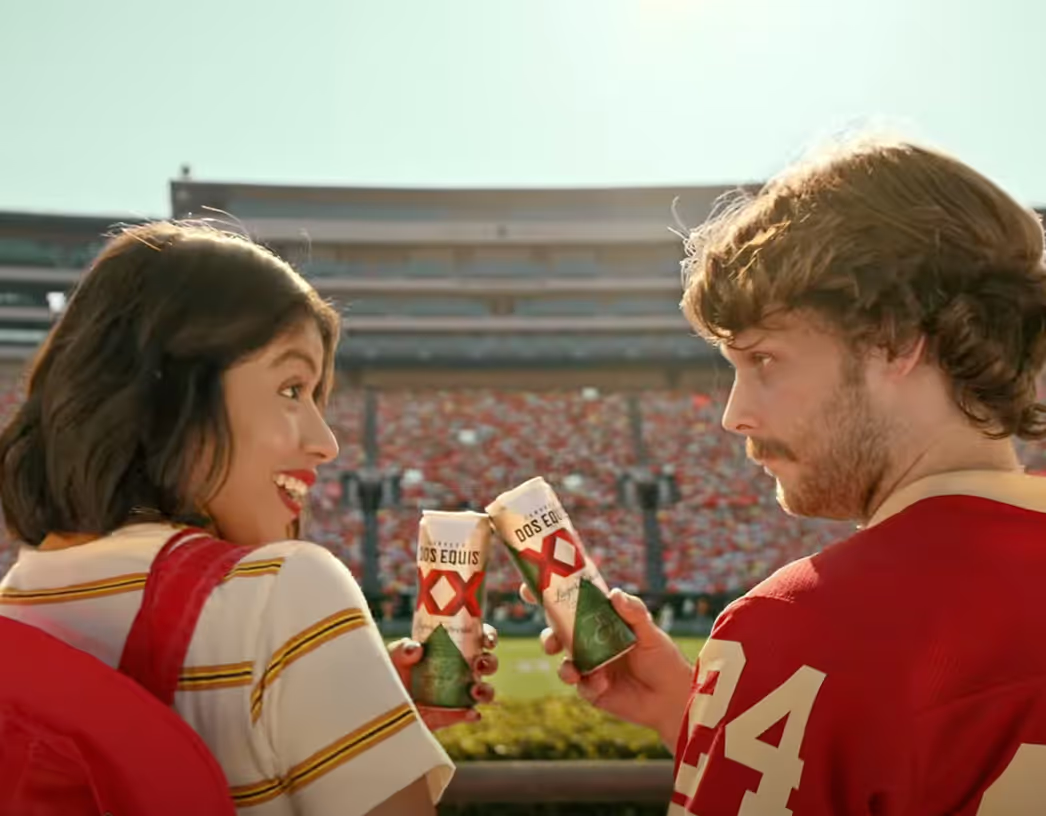
Dos Equis ‘Go For Dos’ campaign broke down a play-by-play for fans to get better seats at a game.
Have a chat with us about how we can help you make meaningful connections with sports fans.
wORK WITH US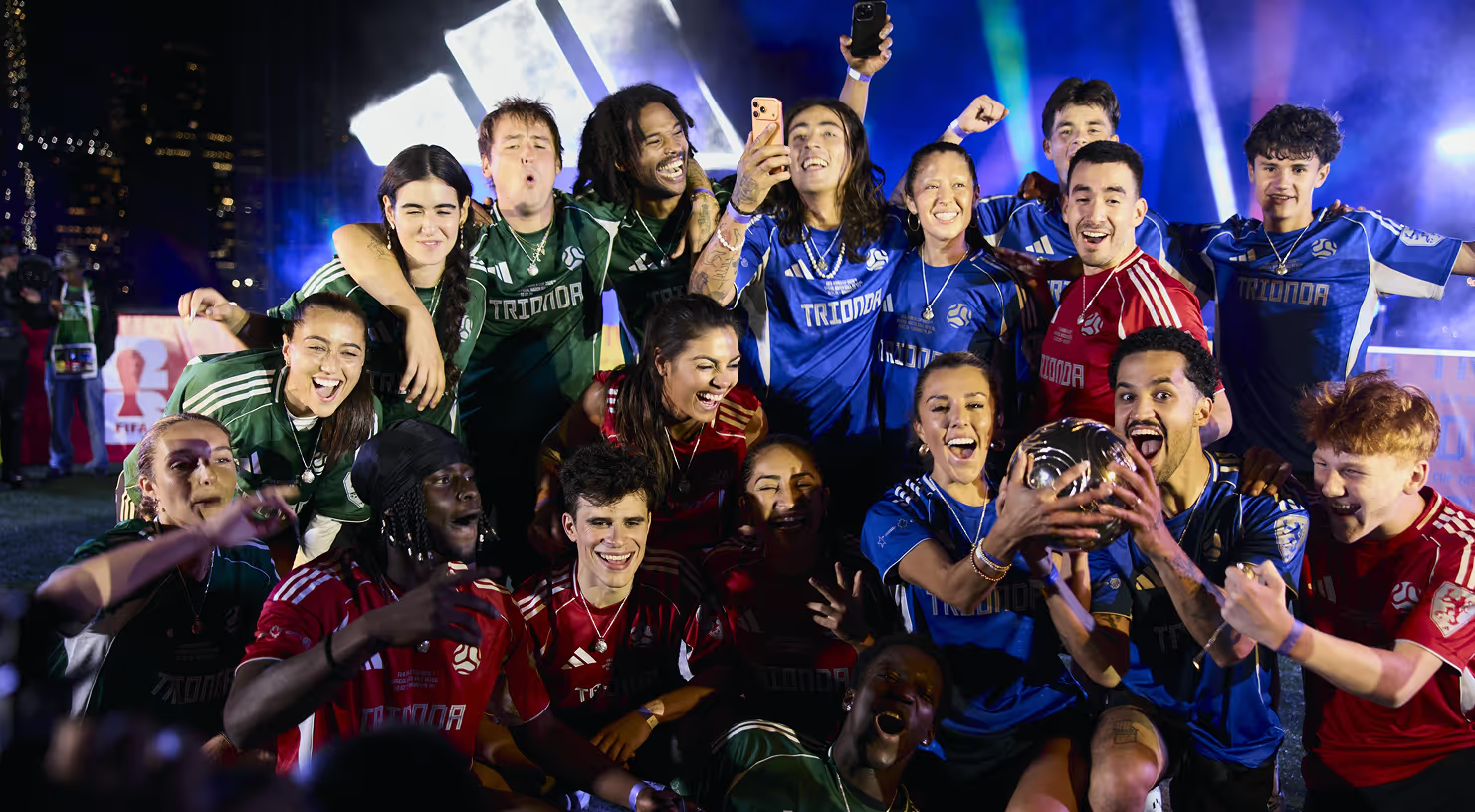
The adidas x FIFA World Cup 2026 launch of the Trionda ball captured the essence of a united World Cup, blending heritage across 3 host nations. Street football in Mexico City, urban courts in NYC and community pitches in Toronto — where soccer thrives as a symbol of diversity, inclusion, and the shared love of the global game.
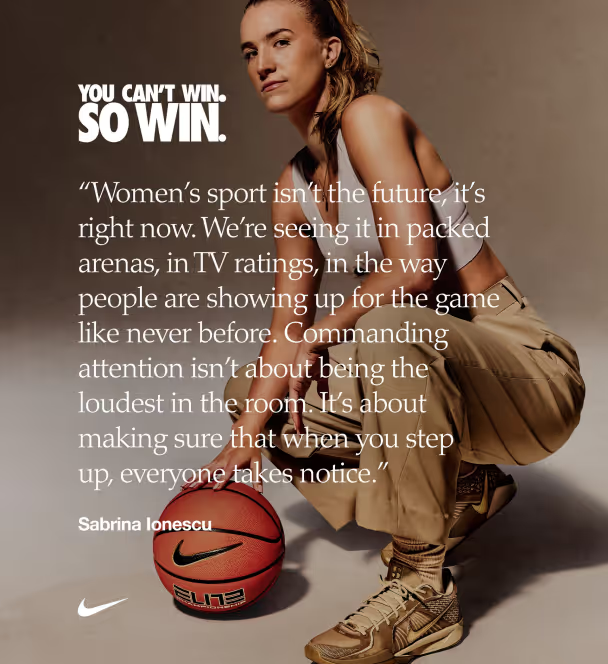
Nike's So Win campaign feels culturally spot-on, and human at its core- showing what it takes to push through on and off the court. Tapping into the moment for women’s sports, spotlighting overlooked athletes and flipping criticism into fuel.
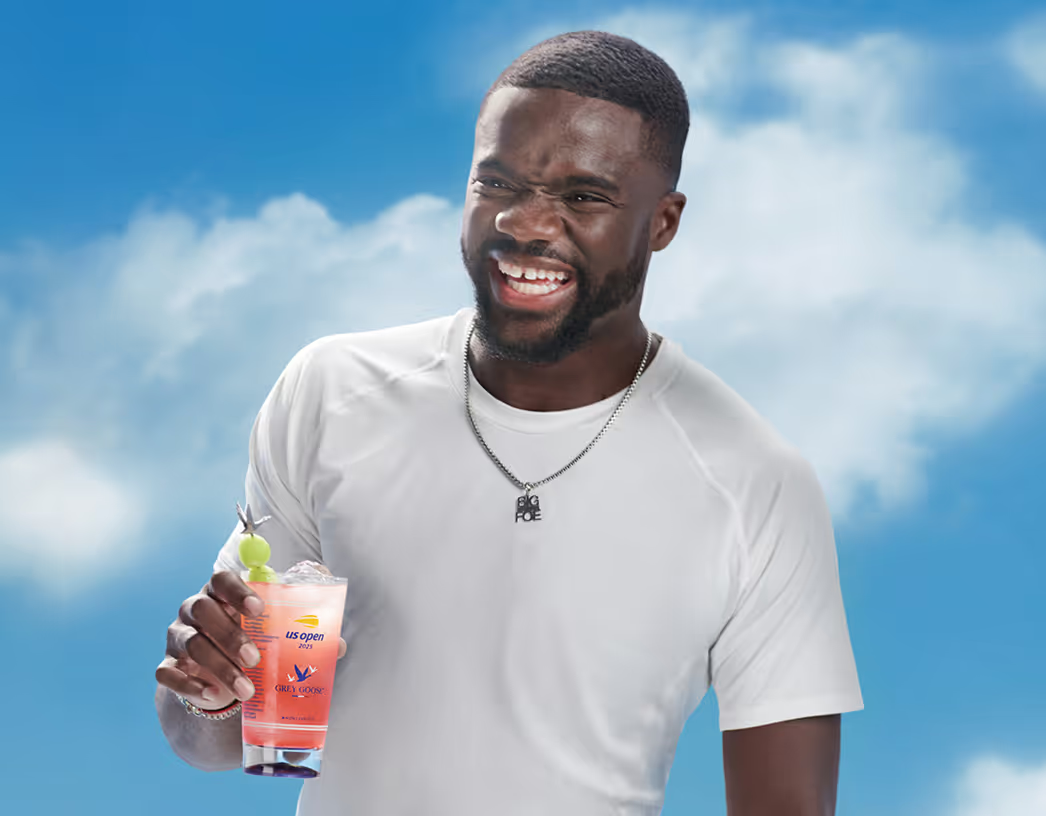
Grey Goose x US Open turned tennis fandom into a lifestyle moment- drink as a social media status symbol. In 2025, there were over 740,000 GREY GOOSE® Honey Deuce® cocktails sold at the US Open.
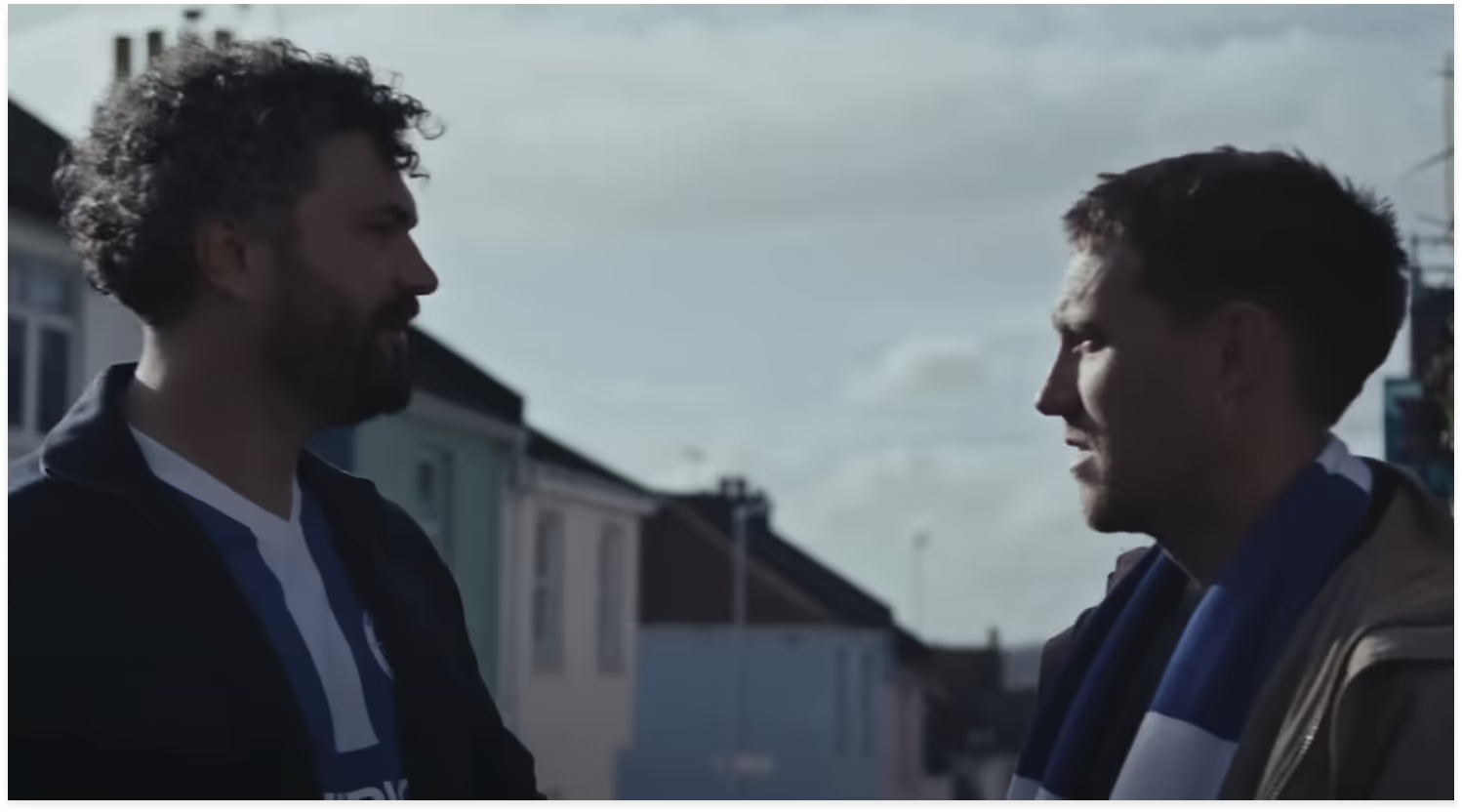
Brighton & Hove Albion joined all 20 Premier League clubs in launching #TogetherAgainstSuicide with the Samaritans to put a spotlight on how men's mental health is often dealt with in silence, and the impact a conversation can make.
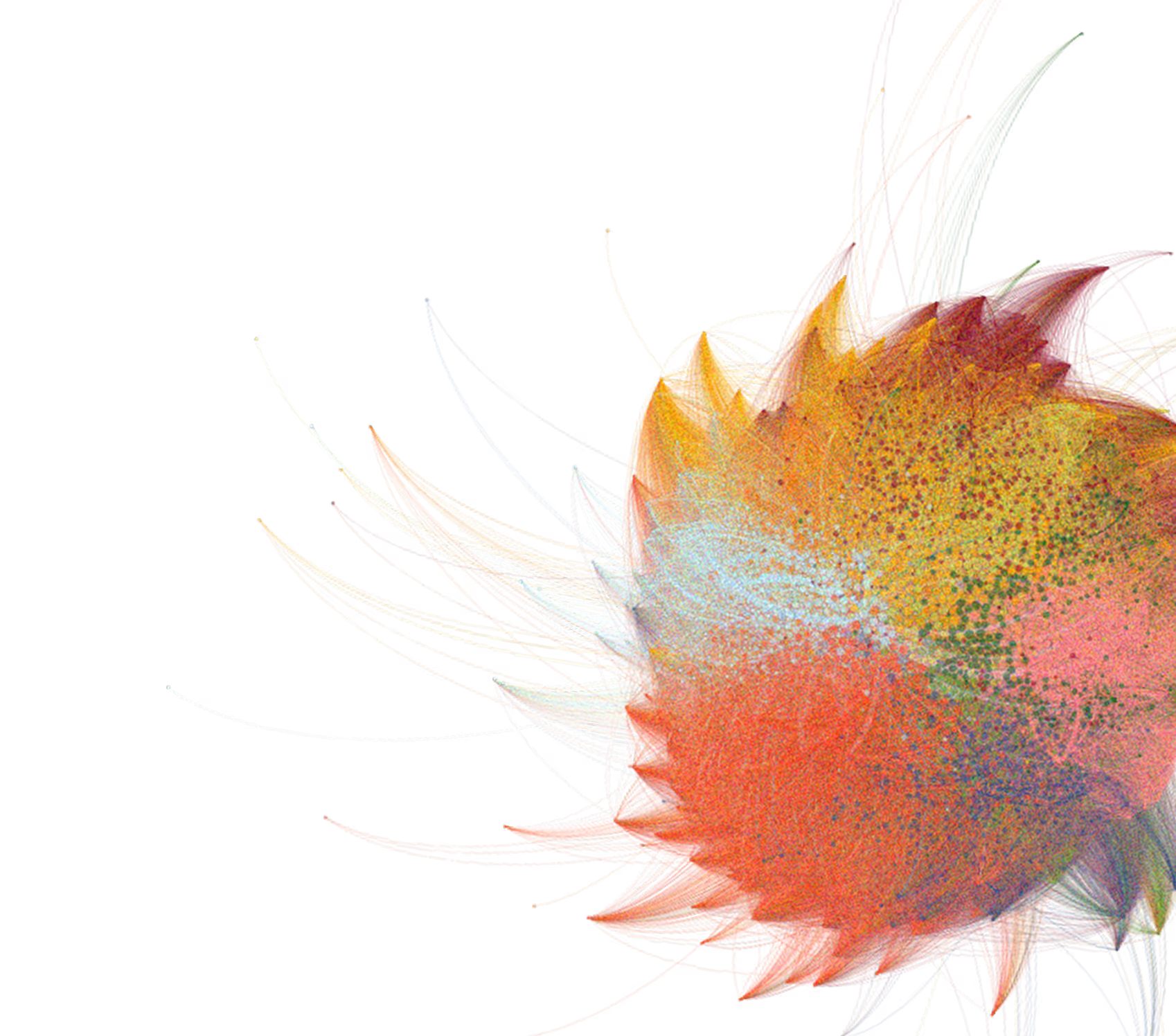
To understand today’s fandom, we went straight to where fans spend their time: YouTube.
sports at the core of American fandom
channels analysed, from top creators to key influencers
videos tracked over the past five years
connections mapped between channels
The result: a living map of how sports communities form, grow, and interact online—what fans say they care about, and how they actually behave at scale.
The brands winning loyalty don’t try to own a narrative without earning it. They understand fan communities and show up in ways that prove they’re fans too, whilst elevating the fan experience.
Attention is stretching beyond the game; culture is the new centre of gravity. Treat these intersections of passions (e.g. athlete playlists, video game cameos, shoppable fits, murals) as primary inventory to drive fresh attention.
The Triple-Spectacle framework shows how to grow and connect with fans. Culture pulls fans in, live experiences hold them, and renewal keeps the game alive. Keep your core fans close and engaged, whilst providing extended opportunities for new fans to discover your brand.
How soccer fandom is reshaping American culture, and the opportunity brands can't afford to miss ahead of the 2026 World Cup.
“Placeholder quote that needs to be replaced.”

Inside the fandom transformation driving record audiences, shattered attendance records, and a new cultural moment.
“This isn’t just basketball-endemic brands coming to life. It’s an intersection of sport, culture, fashion, music, and technology—and no other league can bring those facets of business together like the WNBA can.”
We help brands get a deep understanding of the world's audiences and how they can resonate. Download our creds file to discover how we help brands connect with audiences at scale.

Our upcoming report on soccer and the MLS launches on 7th December 2025, while our analysis of tennis and the Australian Open will be revealed on 12th January 2026.