Climate Tipping Points
The useful question about climate is no longer whether the system crosses thresholds that reshape how food is grown, priced and moved. It is which thresholds, how quickly, and who absorbs the cost when they go.
Synthesis tracks this force at medium momentum and low volatility. That combination is worth sitting with. Low volatility does not mean low stakes — it means the signal is not thrashing. The direction of travel has held steady long enough that it reads less like a shock to be weathered and more like a new operating condition to be designed for.
Disrupted food systems
Rising average temperatures, rising seas and more frequent extreme weather are reducing the arability of land and the availability of freshwater, leaving global food supply increasingly exposed.
The evidence is arriving as operational reality rather than projection. The Energy & Climate Intelligence Unit has assessed how heatwaves and drought are shaping UK harvest prospects for 2026. Farmers interviewed by The Guardian describe a pace and scale of change outstripping their capacity to adapt. World Weather Attribution finds an increasingly hot Europe facing more severe droughts and mounting difficulty managing water and land. Meanwhile the BBC reports the UK’s first rice crop ripening after a hot summer — a small story carrying an outsized signal about how growing zones are moving north.
Beneath the headlines sits a slower measure. World Bank data on per capita renewable freshwater availability — the river flows and rainfall-fed groundwater available to each person each year — has declined consistently between 2014 and 2022. Synthesis rates the uncertainty on this indicator as low and its rate of change as consistent. It is not a volatile number. It is a reliable one, moving in a single direction.
A scorching divide
The burden does not fall evenly. Vulnerable populations absorb the worst of natural disasters and heat-induced cost spikes, deepening existing inequality and widening health risks.
Research published in Nature has worked to quantify climate loss and damage in terms consistent with the social cost of carbon — an attempt to put a defensible figure on distributional harm. The Australian Conservation Foundation has documented the effect of extreme heat on the populations least equipped to escape it. The psychological cost registers too: coverage of eco-anxiety in Down To Earth points to a mental health dimension sitting well outside conventional climate accounting.
Capital has noticed. Both the Los Angeles Times and The Business Times report pension funds actively modelling the most severe warming scenarios and what those imply for long-horizon liabilities. When retirement funds begin pricing tail risk, the divide stops being an ethical argument and becomes a balance sheet one.
Regeneration beyond sustainability
With multiple tipping points approaching — Arctic ice melt through to Amazon dieback — sustaining the present state is no longer a sufficient goal. The Potsdam Institute for Climate Impact Research reports seven of nine planetary boundaries now breached, with ocean acidification the most recent to enter the danger zone. Holding the line is not on the table. The question is what regeneration looks like at scale.
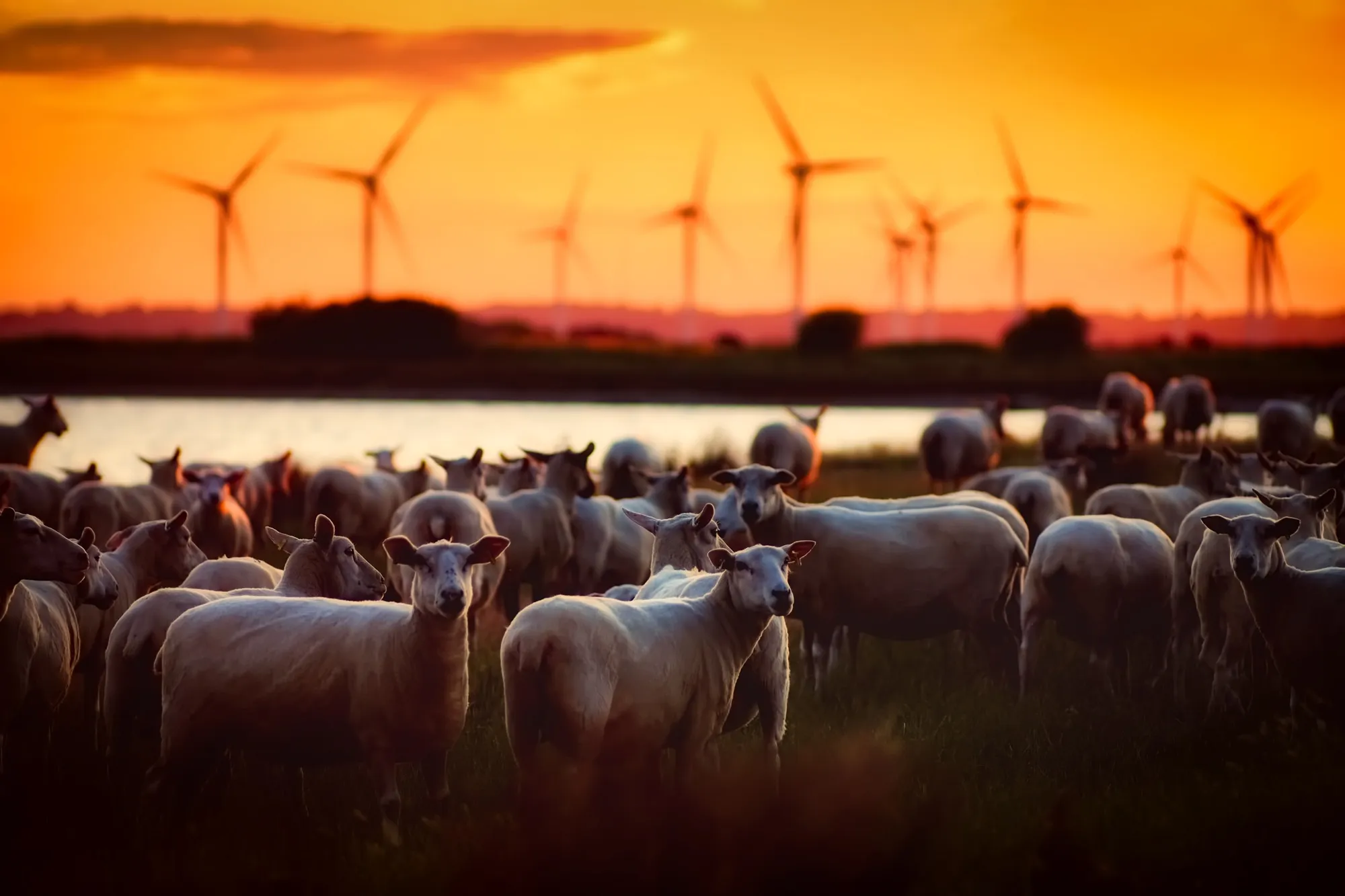
Nature has published a global assessment mapping where regenerative farming practices could actually increase yields, which moves regeneration from a moral argument to an agronomic one. Capital and policy are shifting in parallel. Japan has set out a $6.2bn investment in new foods as part of a 2040 roadmap. The Protein Brewery extended its Series B by $20.5m to bring mycoprotein to Europe. A protein powder made from air is scheduled to reach American shelves in 2026. Uluu has raised to scale seaweed-based bioplastic, and Diageo is piloting Everpour, a circular bottle refilling system. Solar grazing — running sheep beneath solar arrays — is being tested as genuine dual-use of land, though The Guardian notes an open debate over whether it is substance or public relations.
The energy picture supports the direction. Of the drivers tracked against this force, Novel Energy Sources has moved +3.9% since 2016, the strongest positive movement in the set.
Three shifts to expect
Water becomes a defining force in power, conflict and survival. Scarcity is turning into a structural pressure that shapes how societies develop, with access beginning to influence economic stability and geopolitical relationships directly. The World Bank freshwater indicator is the proxy to watch.
Constant disruption becomes the baseline condition societies must operate within. Not a sequence of emergencies to recover from, but a standing condition to build around.
Feeding populations requires rethinking what food fundamentally is. The fermentation, cultivation and air-protein signals above are early evidence of a category boundary moving, rather than a niche filling out.
What to watch
California has reaffirmed 10 August 2026 as the deadline for initial climate disclosures, which will force a large volume of previously private risk assessment into public view. COP30 has been framed as a strong available opportunity to address food systems specifically. And the World Economic Forum continues to press the argument that nature-positive practice belongs on the bottom line rather than in the sustainability report.
Seven drivers sit behind this force. Two carry movement figures today — Extreme Weather Events at −0.7% and Novel Energy Sources at +3.9%, both measured since 2016 — while consumer interest in regeneration, food insecurity, availability of renewable freshwater resources, climate mitigation funding and interest in sustainability activism are tracked qualitatively.