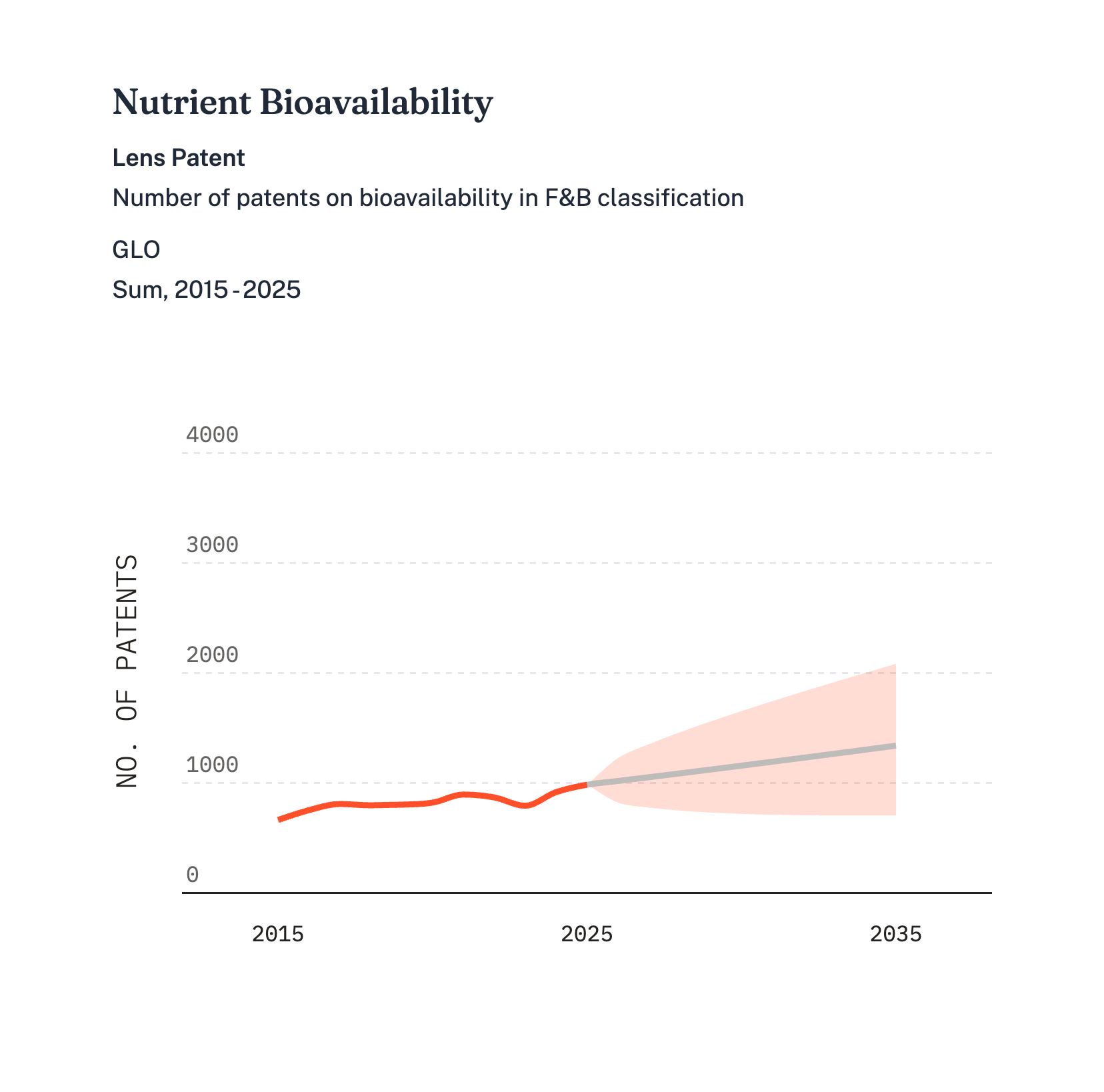
Bioavailability and bioaccessibility are fast becoming the real test of whether food works for the person eating it. And that test begins before the ingredients reach the kitchen - growing and preparation decide how much nutrition is available and reaches you. In the future the focus will move from front-of-pack to proof that the body can use what's inside.
Early Signal
Unilever is building a model to map how different ingredients and processing methods change the absorption of vitamins and minerals - bioavailability as something to engineer into food.
Experience the data
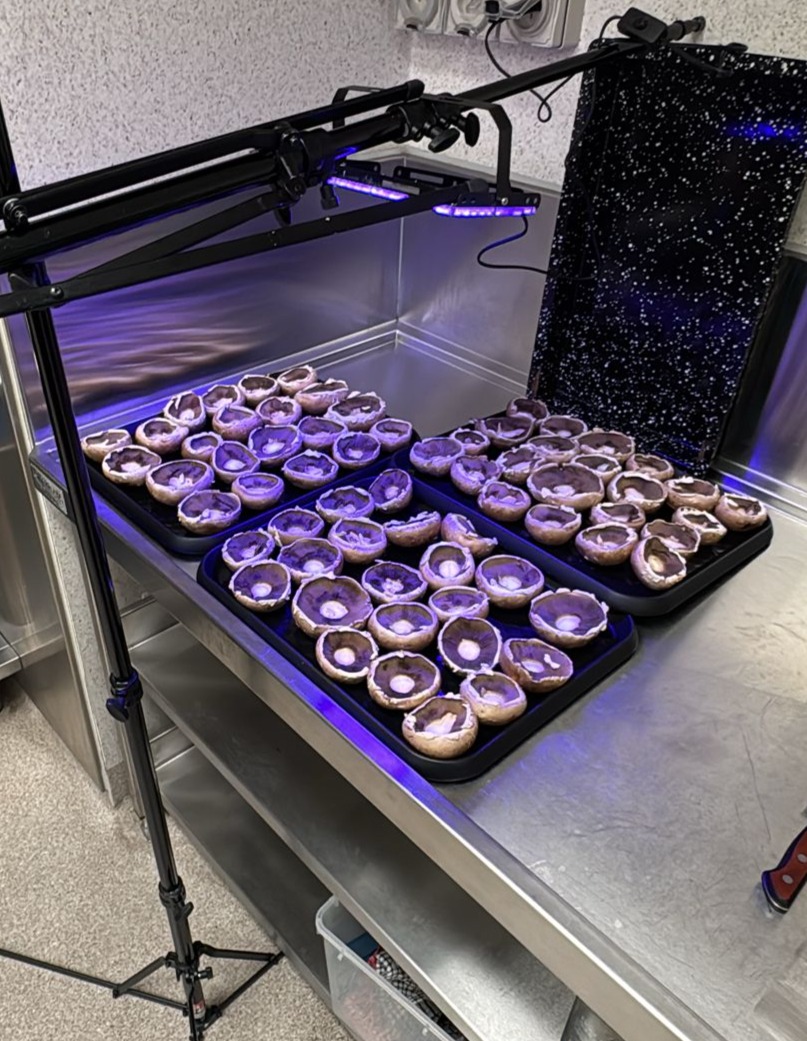
At our Absorption Test Kitchens, we put that to the test: irradiating mushrooms with UV light to convert their ergosterol into Vitamin D₂ . This simple prep before cooking increased the vitamin D levels in every bite.
#2 Long ingredient lists become a green flag
Insight
Long ingredient lists have become shorthand for UPFs (ultra-processed foods) - a wall of additives you can't pronounce. But a counter-movement is forming, where a long list signals something good.
Early Signal
Brands like ZOE now build products around diversity on purpose: their Daily30+ blend packs 30+ different plants into a single formulation, riding research from the American Gut Project that people eating 30+ plant types a week have more diverse gut microbiomes than those eating ten or fewer. As awareness grows that our diets need more diversity, people are seeking out nutritionally diverse products.
Experience the data
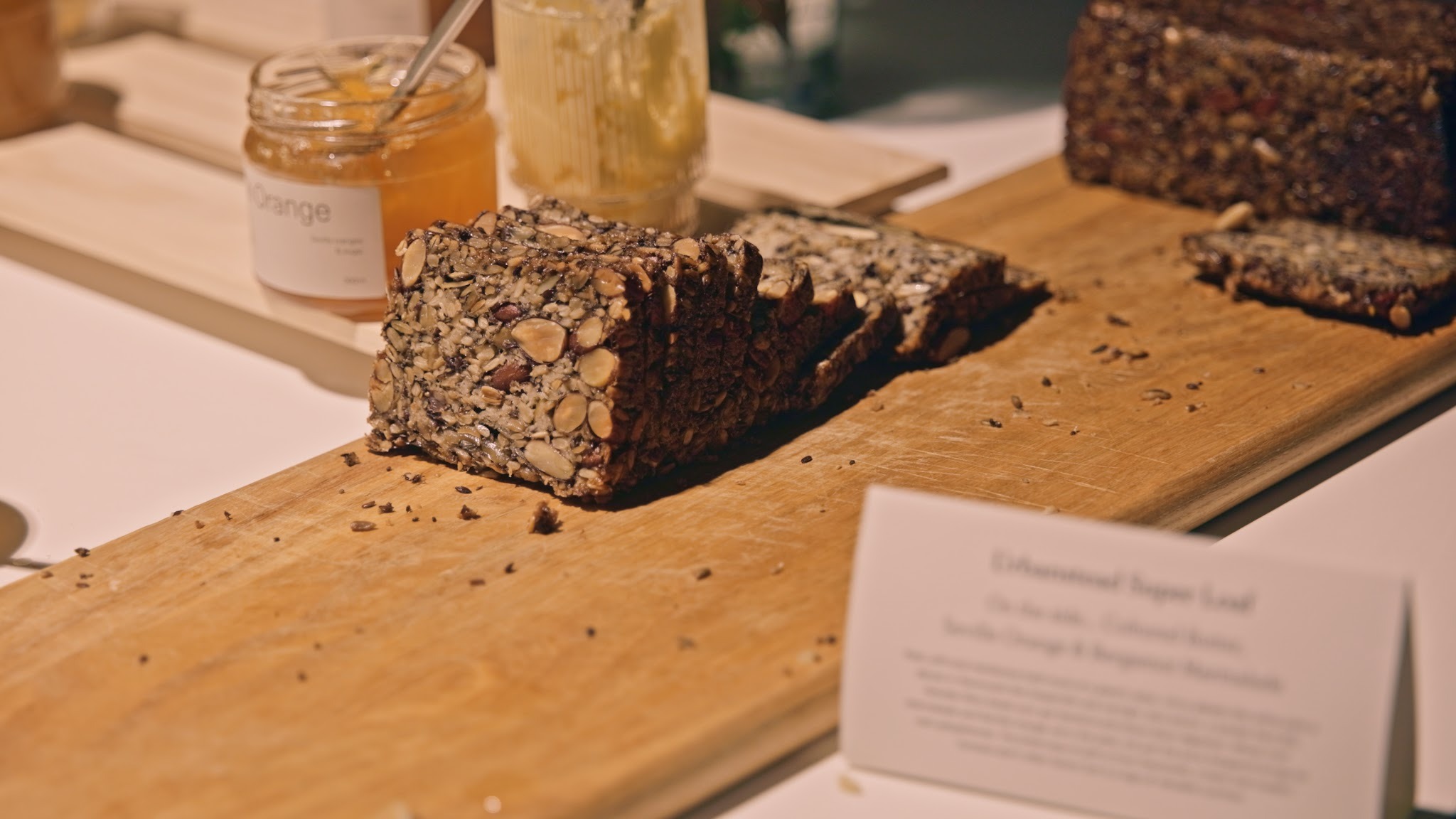
At our test kitchens, our culinary partners at Urbanstead served five stations that mirrored principles for eating diverse: Fire, Seeds, Leaves, Soil and Living. In each station, the traditional preparation unlocks the nutrients for optimal absorption: fire softening cell walls, seeds soaked to shed their phytates, leaves kept raw to spare heat-sensitive vitamins, roots eaten whole, living things fermented. Every ingredient came from one local farm, grown in living and healthy soil. So it tasted better. And better taste is the most intuitive signal of better nutrition. Across five stations, the ingredient list crossed 40. Length as an initiative proxy for diversity.
#3 Food as Pure Function
Insight
We feel busier. As time gets scarcer, food gets less nutrient-dense, whilst more people use GLP1s, and climate change erodes nutritional density, people will seek efficient ways to get maximum nutrition.
Early Signal
Abso, a Singaporean brand, designs its supplements around a single insight: when we swallow a pill and first-pass metabolism destroys most of the dose before it reaches your blood. This is why all of its supplements are designed as strips to be absorbed under the tongue.
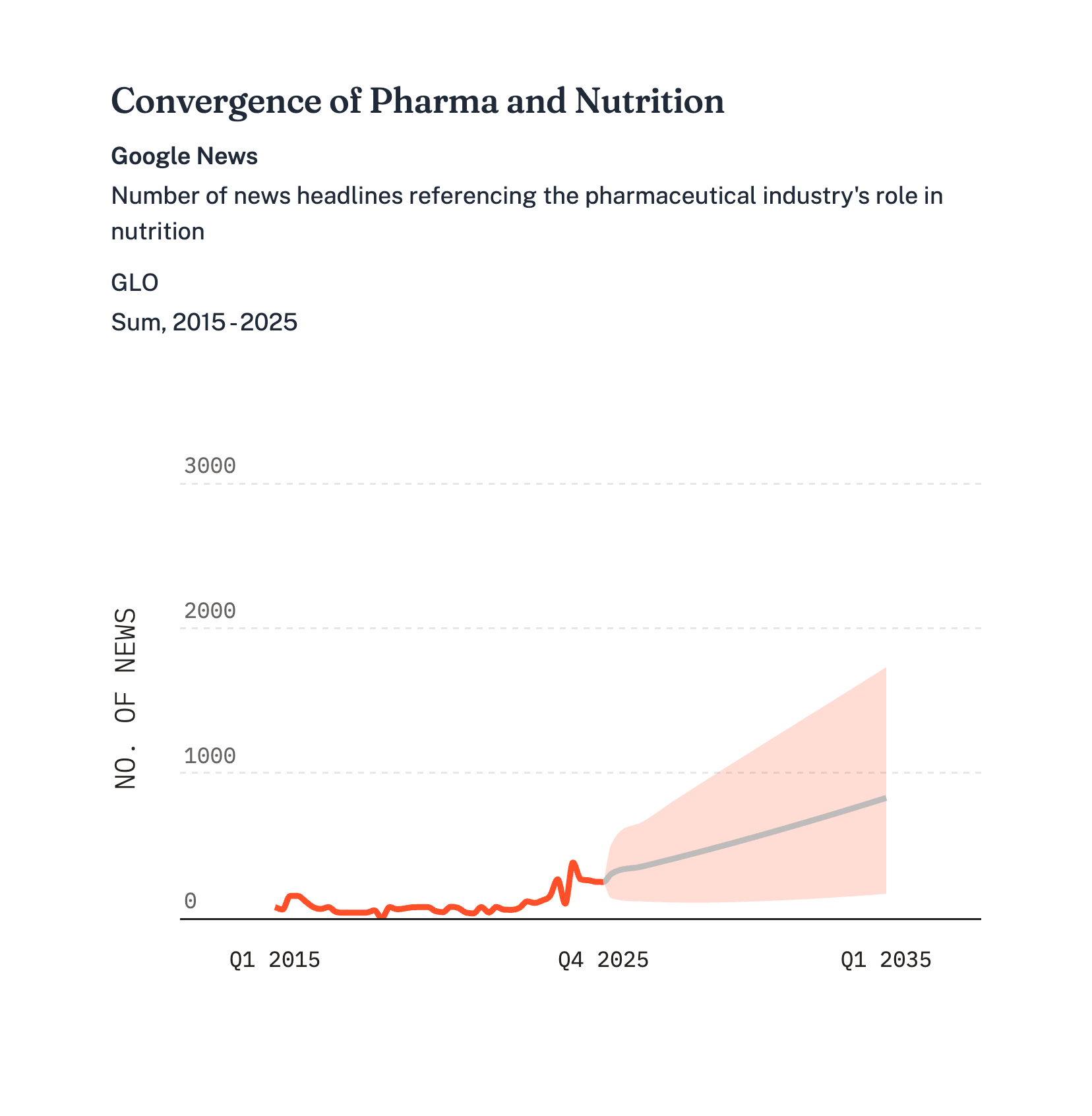
The same logic is already on the shelf. PepsiCo PopCorners Protein is designed to meet demand for "foods with functional ingredients." A snack once sold on crunch is now sold on grams. Food is no longer only about enjoyment; it is increasingly asked to justify itself in the language of function and dose. Delivery mechanisms formulated for maximal absorption will draw people, and terms like liposomal, time-released and buccal will become hero claims on pack.
Experience the data
At the test kitchen, diners sat in sealed sensory-deprivation booths with positive pressure to strip every aroma from the kitchen. A two-way hatch meant they never saw our culinary partners from Potato Head, Chef Oliver and Phoebe, so their focus was entirely on the specific ingredient and optimal dosage. Placing their trust in precision.
#4 The case for keeping things out
Insight
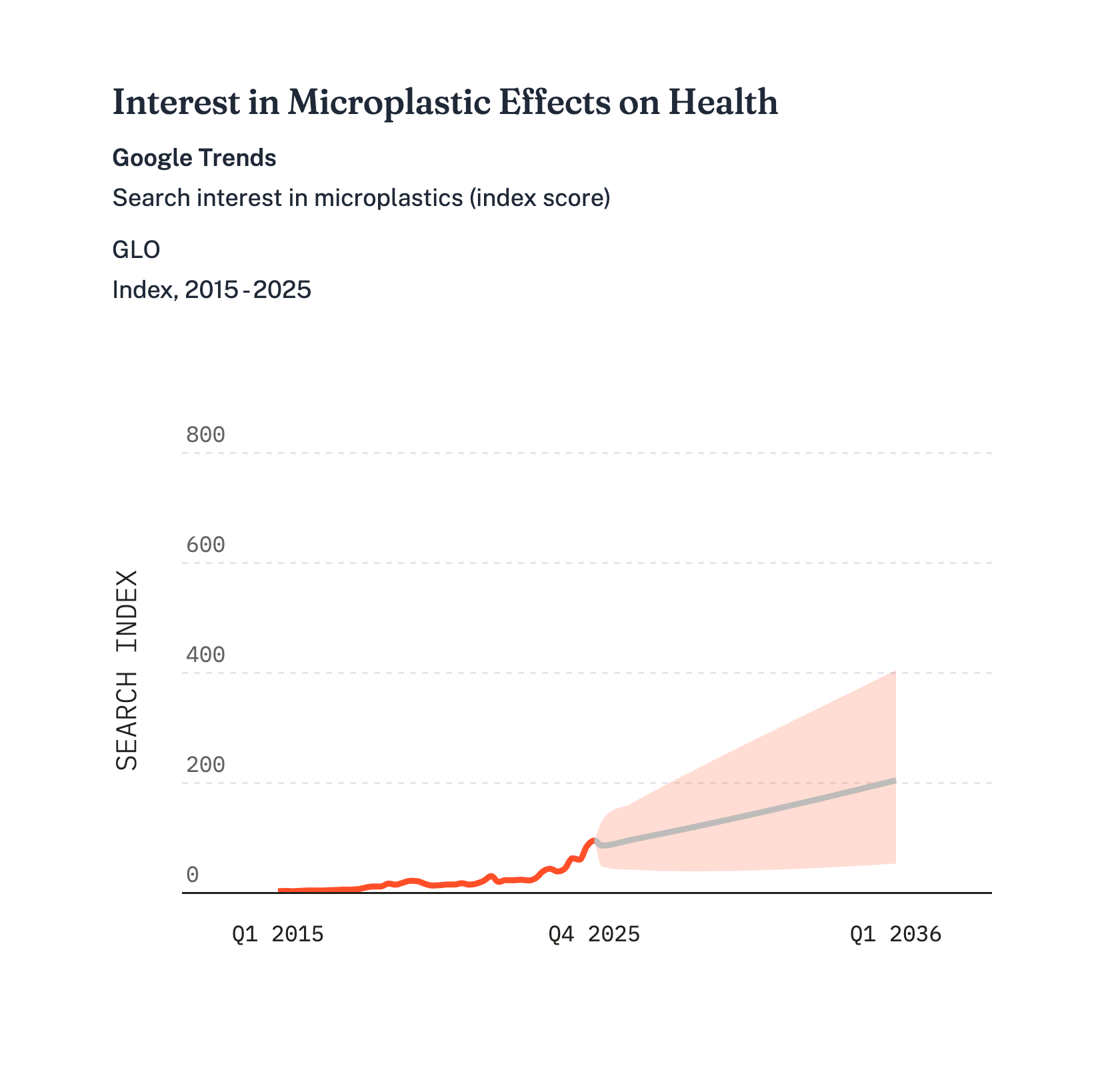
People want to absorb more of what they eat — but they're increasingly focused on what they'd rather keep out. Microplastics are the strongest example. One 2025 study measured concentrations in brain tissue rising by around 50% between 2016 and 2024.
Early Signal
Bae Juice, a Korean pear juice now stocked in Woolworths, is sold on the claim that drinking it before your first alcoholic drink reduces hangover severity. The proposed mechanism: compounds in the pear stimulate the body's own alcohol dehydrogenase and aldehyde dehydrogenase, clearing acetaldehyde faster.
The evidence is small. One randomised, single-blind crossover trial found a 16% reduction in total hangover severity and lowered blood alcohol, but with fourteen participants, all young men, and no replication in over a decade. The trial also had no active comparator, so nothing separates a pear effect from the effect of drinking fluid and sugar before spirits.
But that’s the tension. Consumer demand for a fix is running well ahead of the evidence.
Experience the data
We offered Bae Juice before Thursday's first drink. Guests could take the juice and a glass of wine and judge for themselves — knowing that whatever they felt might equally be placebo.
#5 The hard science is complex, people want simplicity
Insight
"When do you eat an apple?" was the question our academic partner, Dr Sophie Selby-Pham, asked to open the Test Kitchen on absorption. Timing, lifestyle and where in the gut a nutrient is absorbed - your own microbiome - all shape how much of that apple’s nutrients reach you. The same fruit does different things in different people, at different moments. Factor in culture, preferences and genetic make-up adds to the complexity further.
Experience the data
Reducing complexity is why people have always turned to brands to simplify it for them. AI will accelerate the shift further in an age where people will better understand the gut microbiome and absorption. In the kitchen, we prepared ingredient supplements designed for people’s health goals and time of day to optimise for their needs. In the future, wearables, your biology and how you have historically responded to ingredients, will be analysed by AI to recommend and shape what and when you eat.
Agency is the topic explored in our next Test Kitchen: Who decides what you eat?
Explore our Futures platform
We collect all of these signals, plus hundreds of others, in our Synthesis Futures platform.
Thanks, we'll be in touch soon to give you access to the platform.
Sorry, something went wrong. Please try again or email us directly at hello@synthesis.partners if this persists