



Strangers & Intimates argues that transparency culture and loss of privacy erode private life, which is essential for originality and dissent. Protecting privacy is key for creativity.
Most of us assume private life is a given, the part of life that belongs only to us. Yet it is more constructed, and more fragile, than it appears.
Tiffany Jenkins traces how the private realm developed and how it is now being eroded by pressures we barely notice: transparency as virtue, constant visibility and a shift from defending private life to simply managing data privacy, a right easily overridden in the “public interest.”
The book explores this through a simple sociological idea: make the familiar strange. Take something that feels natural and inevitable and show that it was built over time and could have taken another form. Jenkins makes privacy strange. She shows how the blurring of personal and professional life, the rise of the data economy and our ease with sharing online all reflect a cultural shift: from valuing privacy to becoming wary of it.
Drawing on Goffman, Jenkins argues that private life is worth defending because people need a backstage where they can drop the mask. Without it, we weaken the conditions for vulnerability, trust and a genuine inner life. “Originality begins in private, shaded from the conformity of social pressures” the book concludes. Without it, we hinder our capacity for reflection, risk-taking and creativity.
Why we think this is important
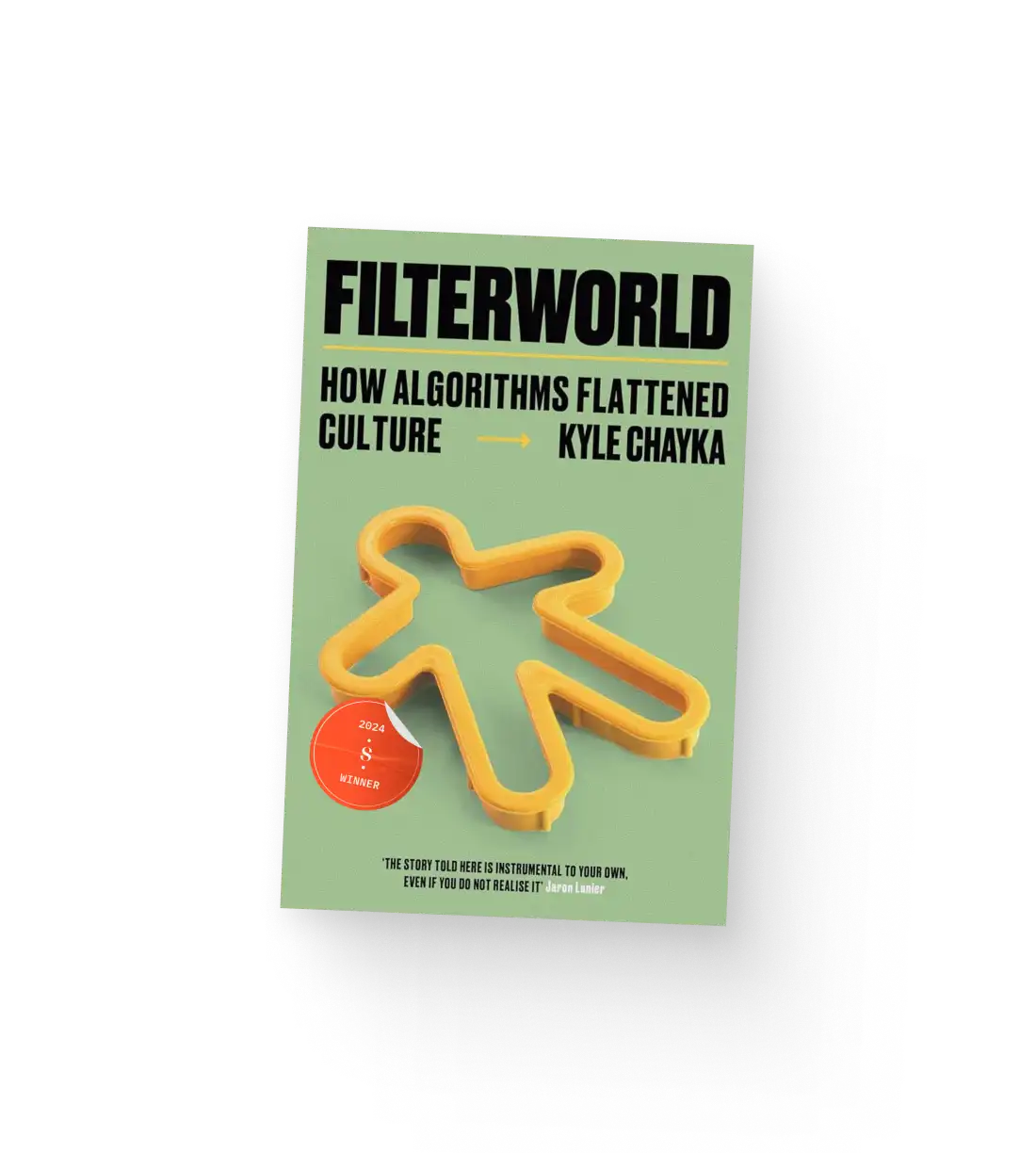
Strangers & Intimates speaks directly to a culture tension we see again and again in our data. We are living through a period of flattening, where creativity, risk-taking and difference are being squeezed out. Our 2024 book of the year, Filterworld, captured how algorithms contribute to this. Jenkins shows the deeper cultural shift: as private life thins, people lose the protected space where originality and dissent are formed.
For Synthesis, the book underscores that public signals, whether performed or quietly expressed through search, shopping behaviour or culture commentators, reveal patterns but not the full private realm. And that’s ok. Our job is to understand the direction of these shifts rather than the intimate details of individual lives. Through aggregated, anonymised patterns that respect privacy, we can track and simulate the direction of cultural change. Jenkins clarifies this distinction, showing that private life needs protection because it sustains originality, creativity and dissent. The conditions required for a vibrant culture to thrive and inspire the next wave of culture shapers.